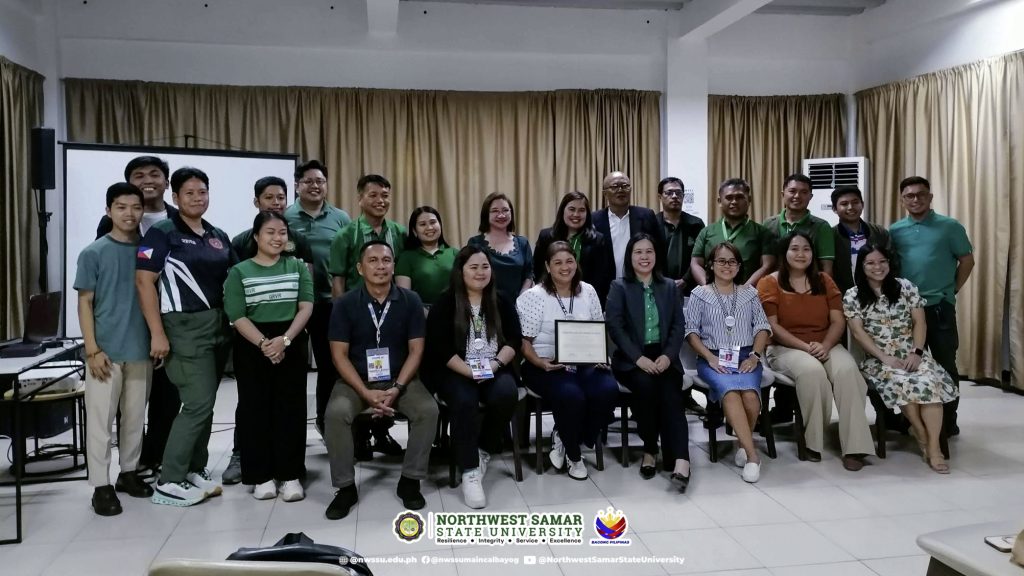
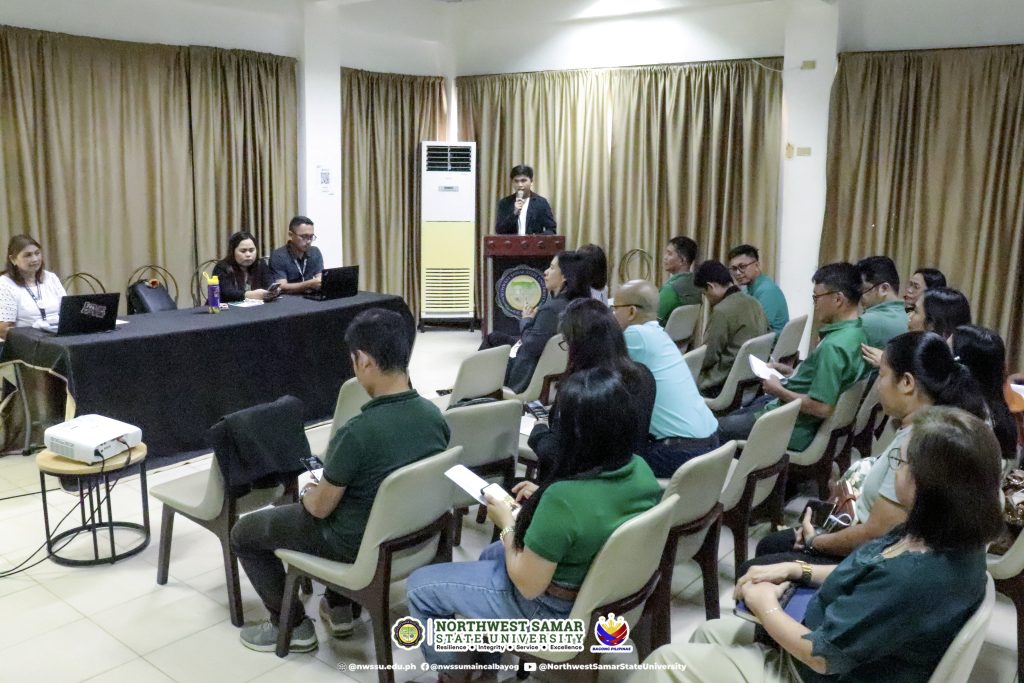
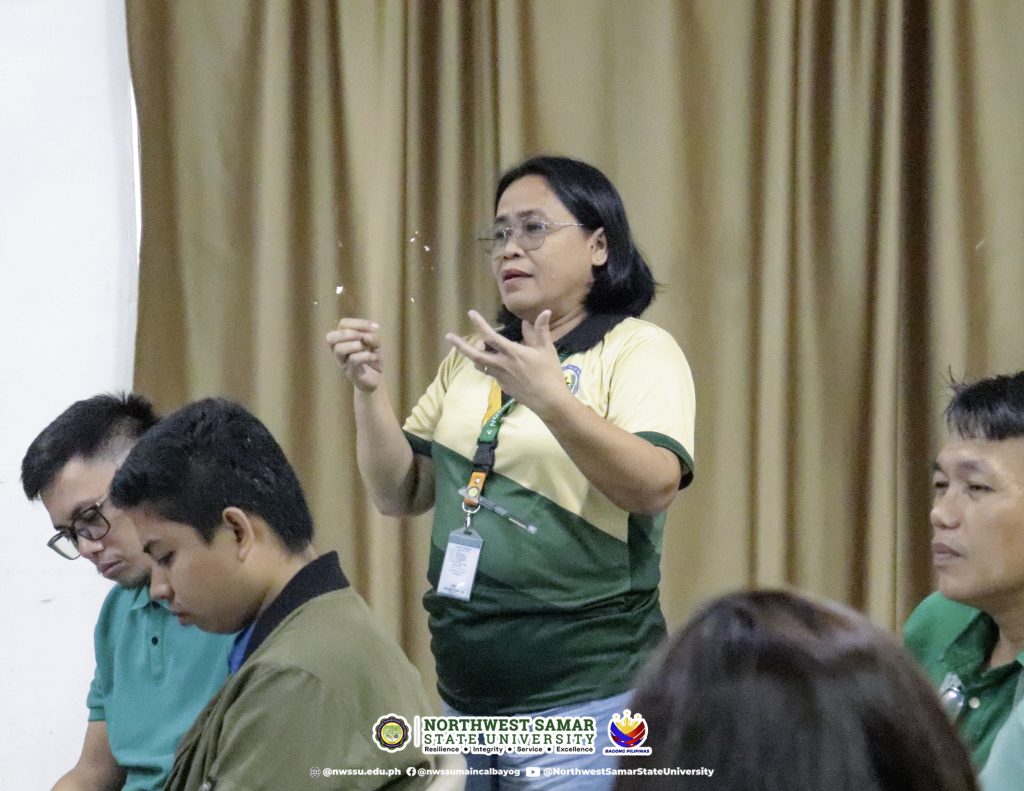
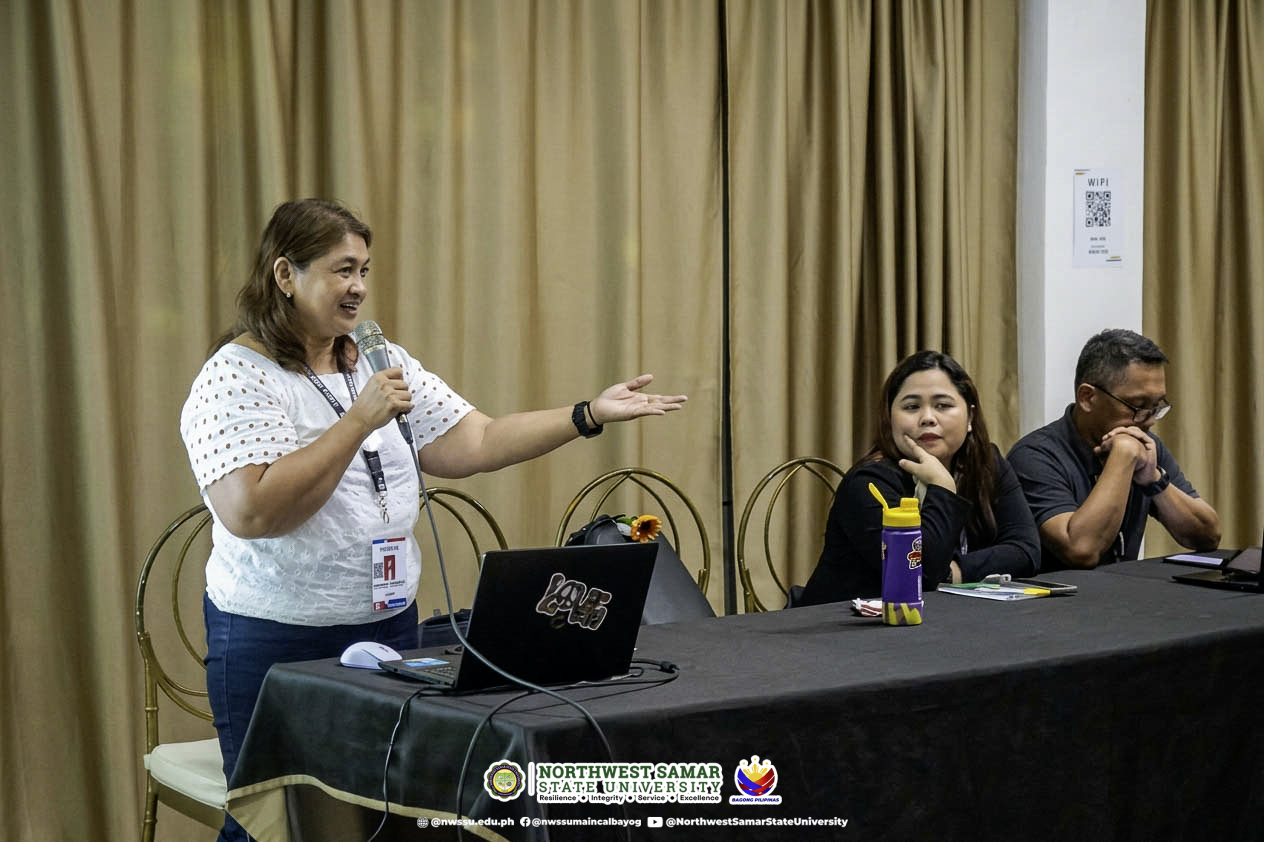
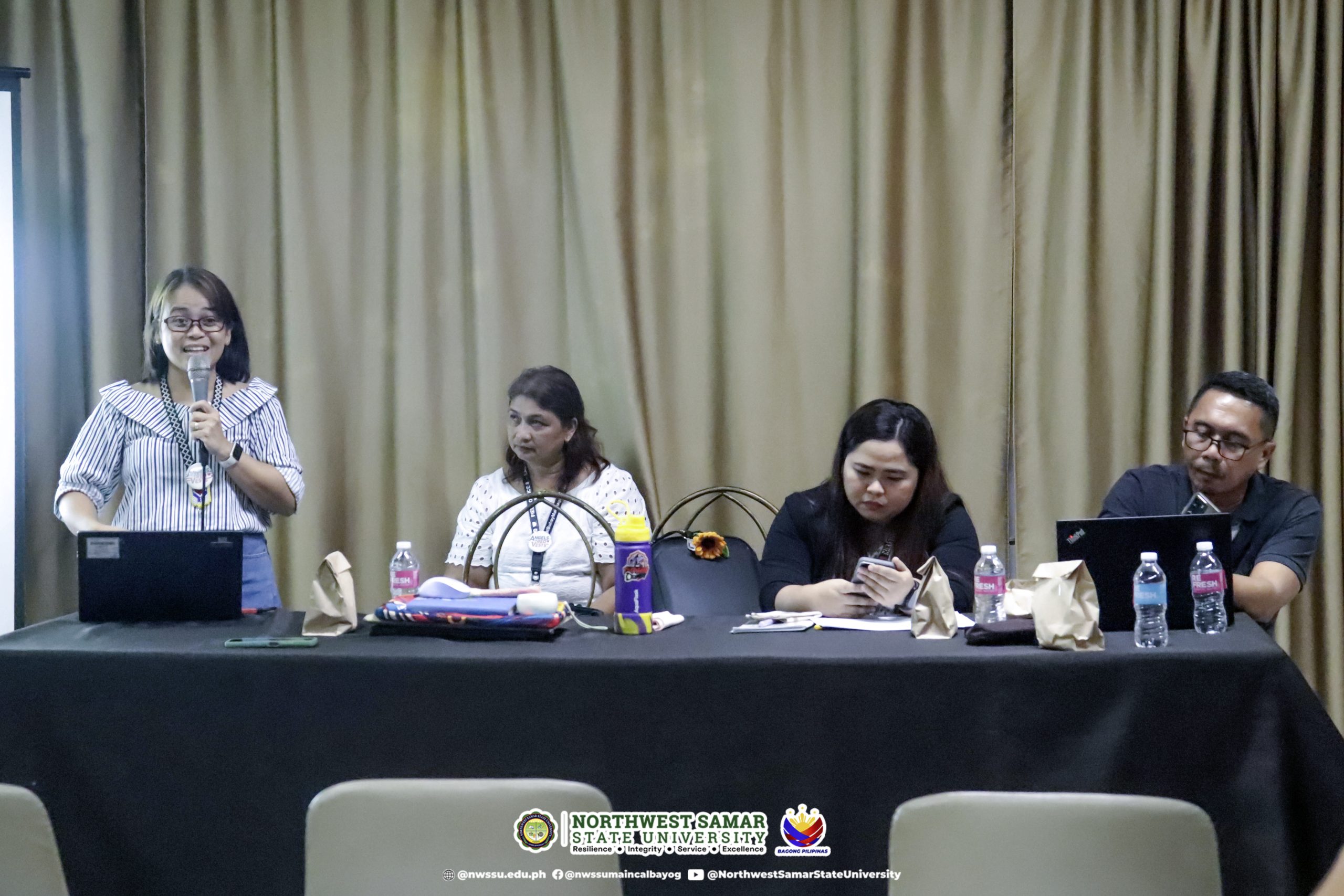
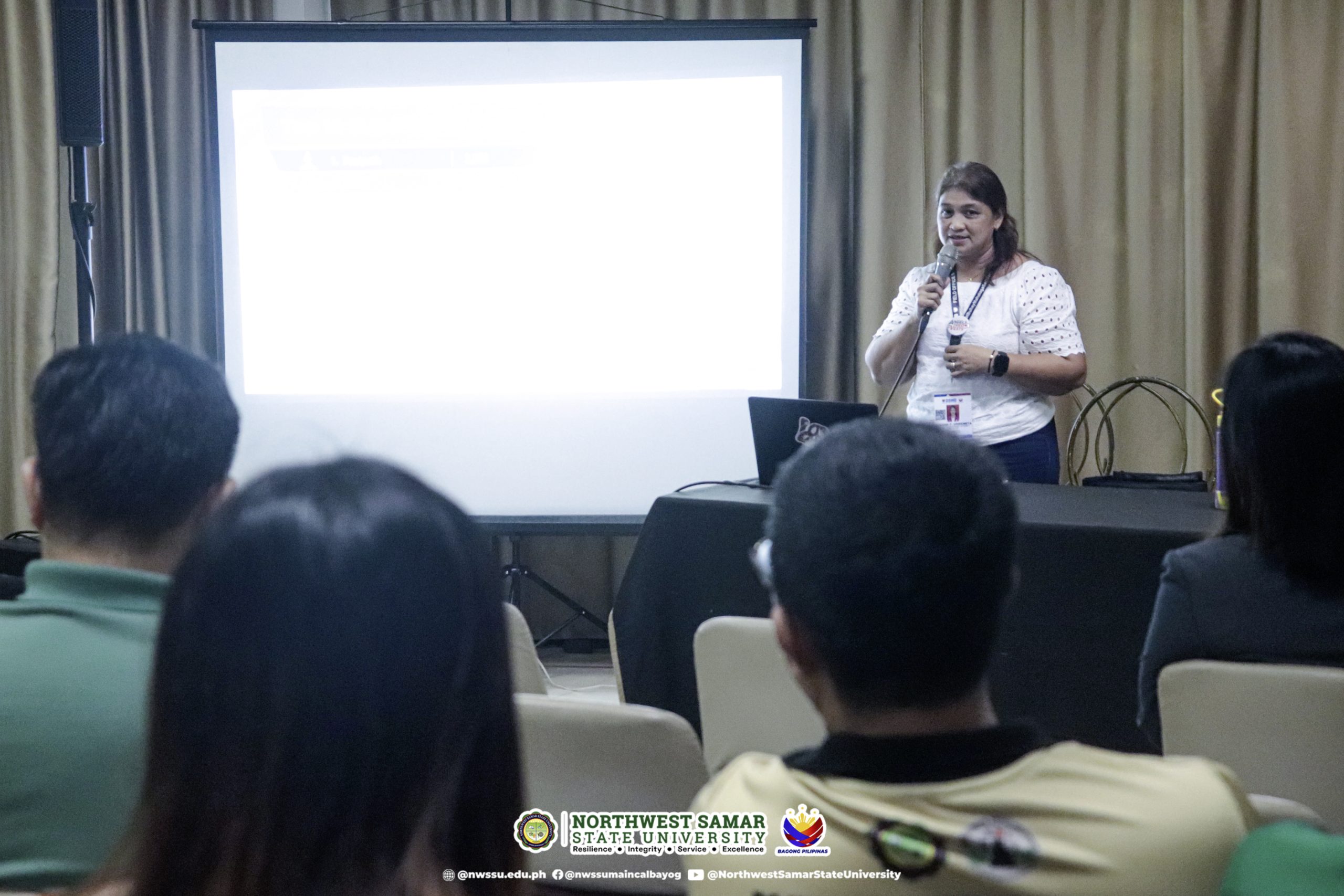
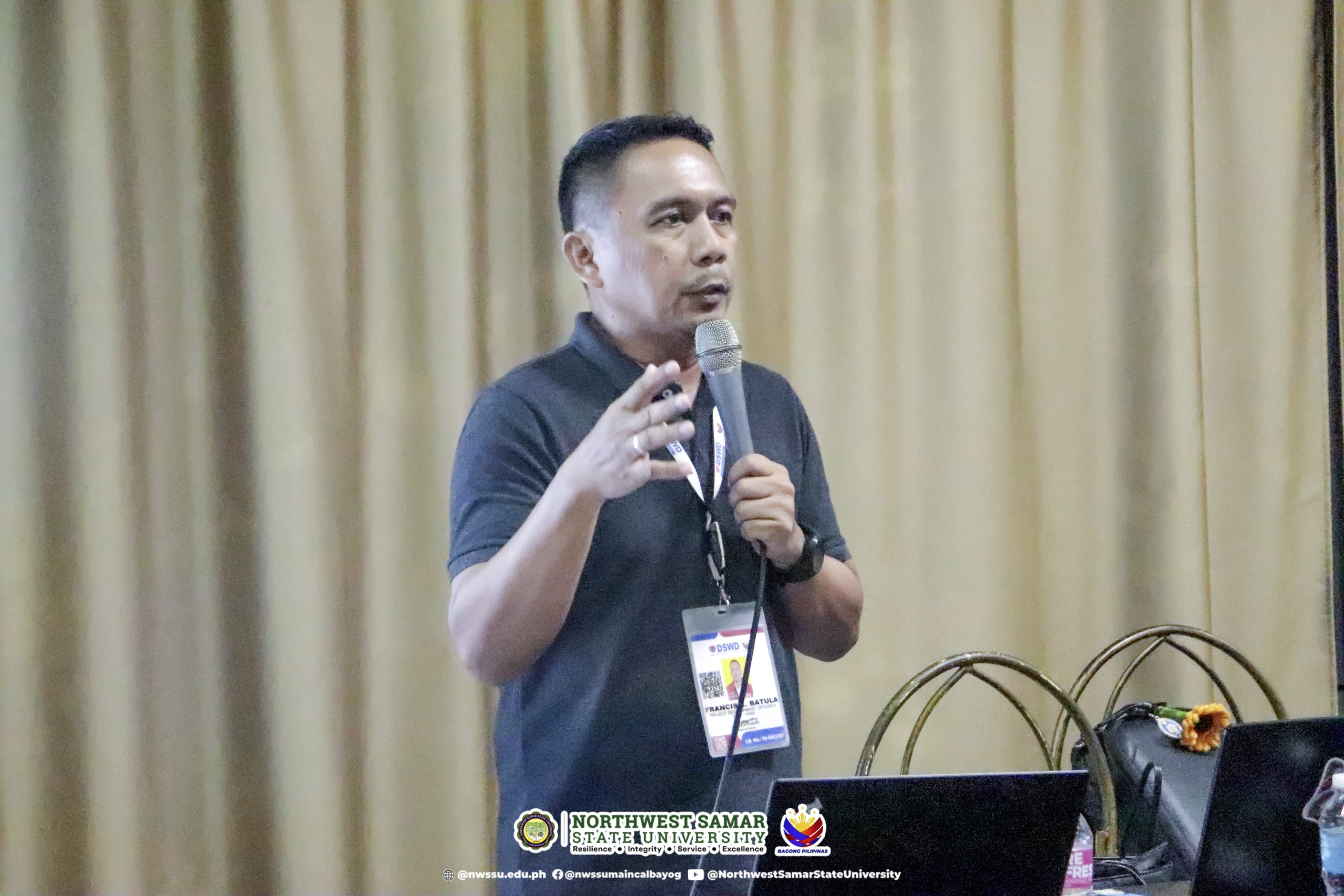
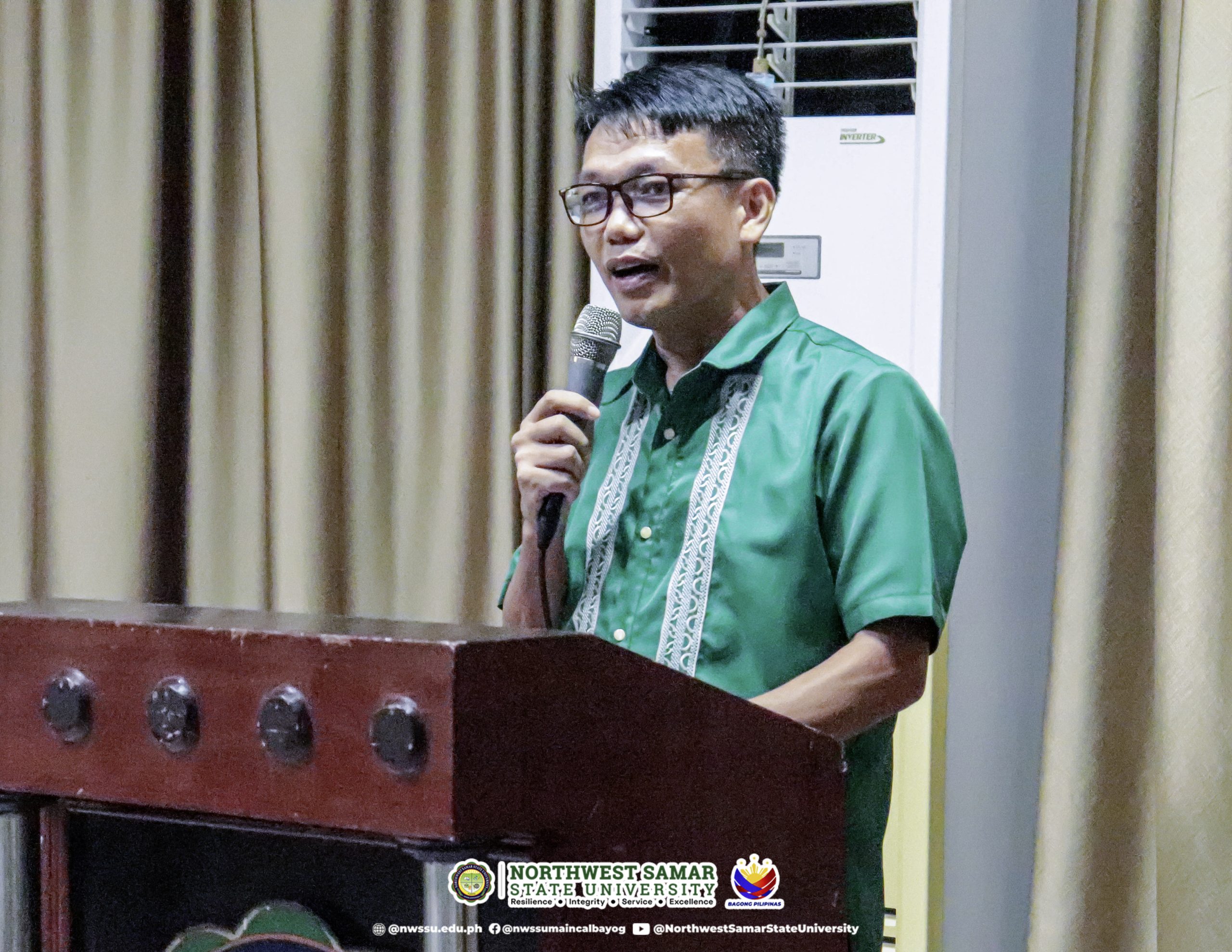
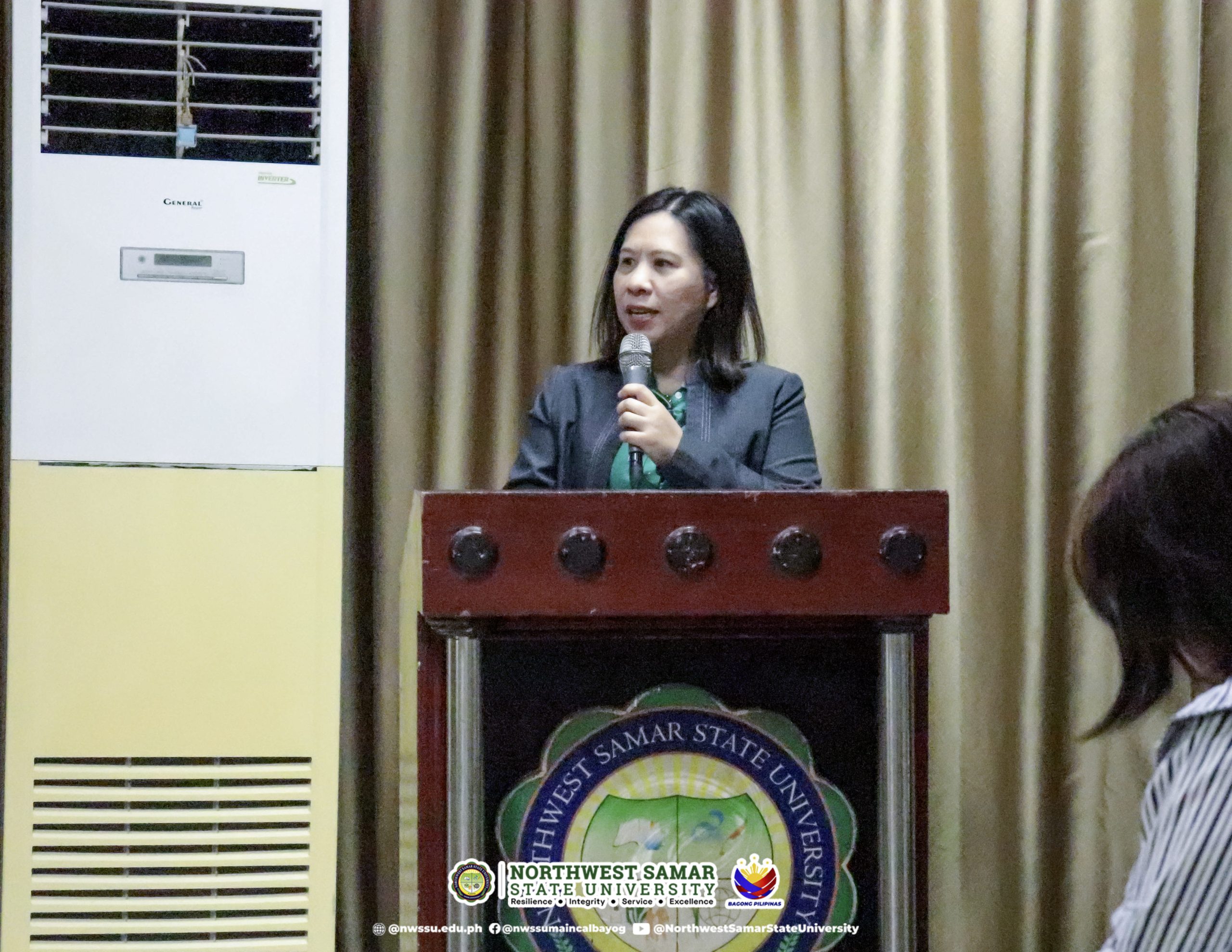
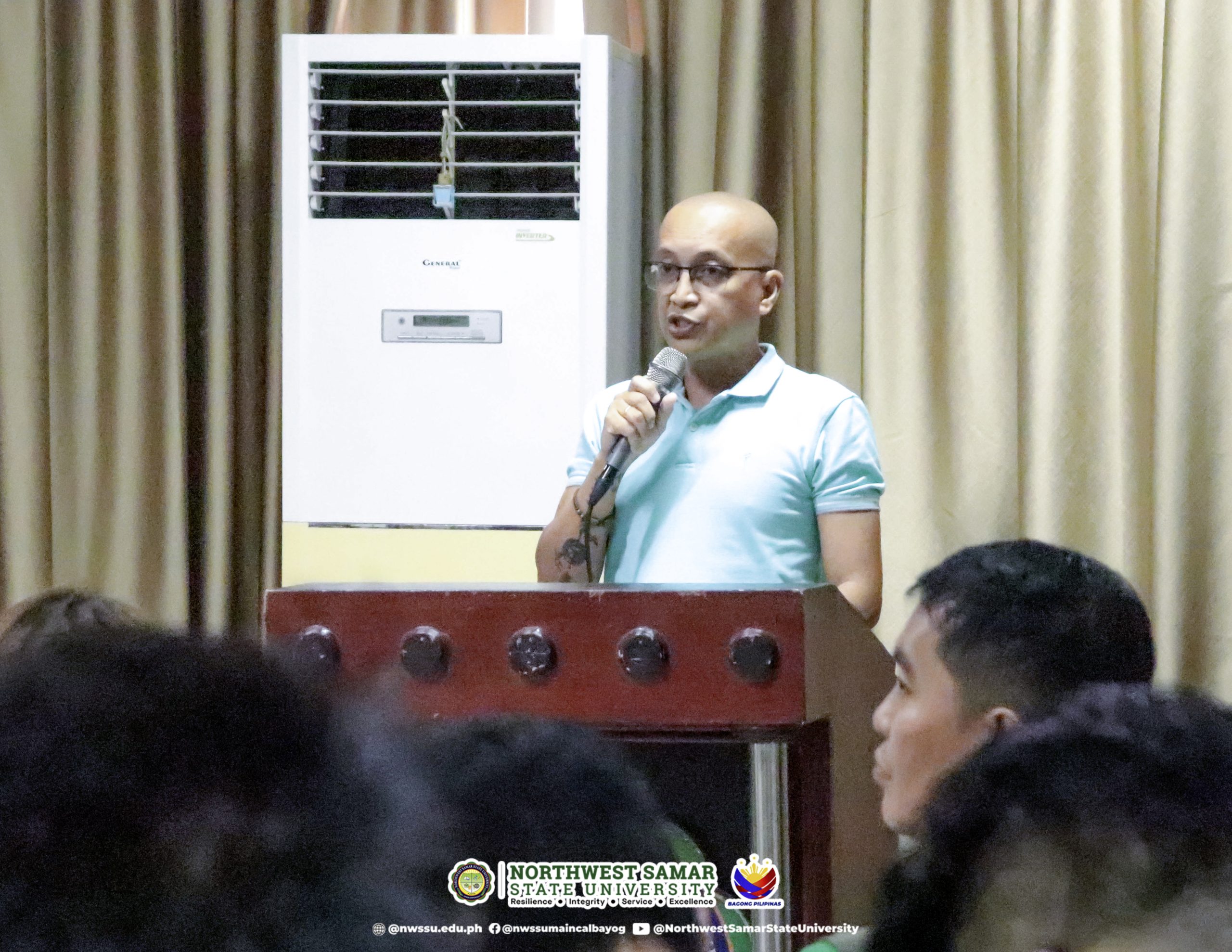
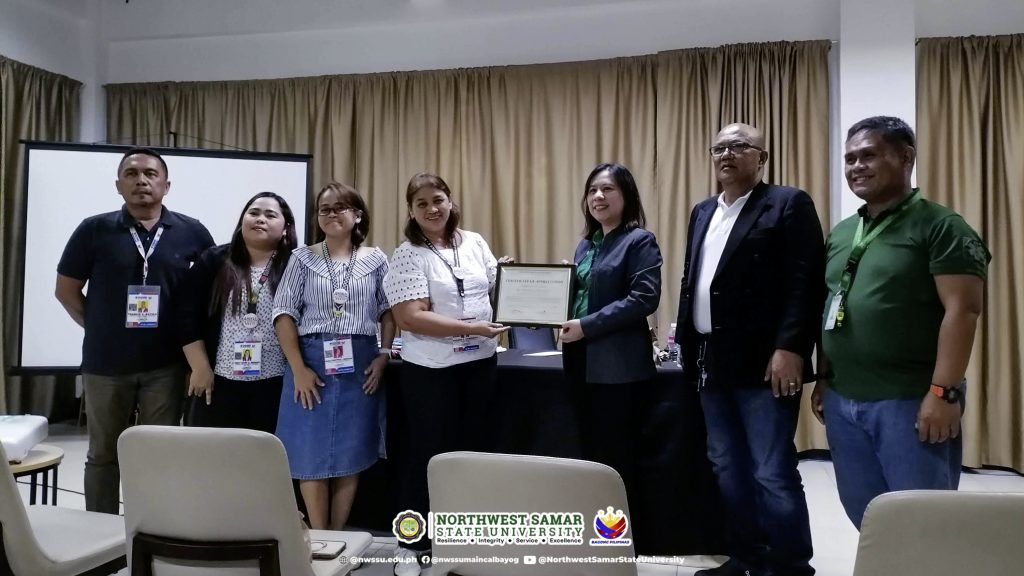
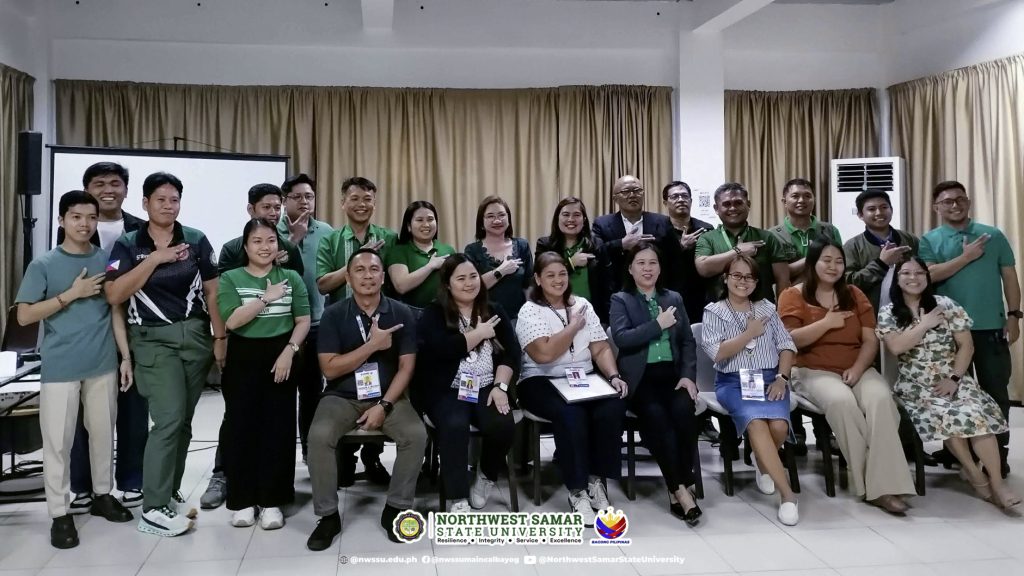
Northwest Samar State University (NwSSU) strengthened its commitment to community resilience and disaster preparedness as it hosted the Department of Social Welfare and Development (DSWD) for an orientation on the Philippine Community Resilience Project (PCRP) on October 6, 2026, at the University Hotel Function Room.
Organized by the Center for Local Governance and the University Disaster Risk Reduction and Management (DRRM) Office in partnership with DSWD, the activity brought together university officials, academic representatives, extension personnel, and DRRM focal persons to explore opportunities for collaboration in disaster risk reduction, sustainable livelihoods, and community-driven development.
The orientation featured discussions on the DSWD’s KALAHI-CIDSS program, disaster risk reduction and management (DRRM), and Sustainable Livelihood Program. Ms. Susana F. Urmeneta, Team Leader of DSWD KALAHI-CIDSS, together with Francis C. Batula and Jinky Rose A. Merino and Maria Christina L. Manicani of DSWD, shared insights on community-driven initiatives that promote preparedness, sustainable livelihoods, and resilience among vulnerable communities.
The discussions centered on the Panahon ng Pagkilos: Philippine Community Resilience Project, a national initiative designed to help communities address disaster risks, environmental challenges, and economic shocks through participatory development and locally driven solutions. The orientation also provided an avenue for university representatives to explore how NwSSU’s academic programs, research initiatives, and extension services can contribute to community-based resilience efforts.
The activity concluded with a shared commitment to
strengthening inter-agency collaboration and translating the insights gained
into initiatives that support disaster preparedness, sustainable development,
and safer, more resilient communities.
Through partnerships with national agencies and local stakeholders, NwSSU continues to advance its A.S.C.E.N.D. commitment to responsive education, meaningful extension services, and inclusive community development.