


More Than a Signature
For many students and residents, “human rights” can feel like a phrase reserved for textbooks and news headlines — important, but distant. That distance just got a little shorter.
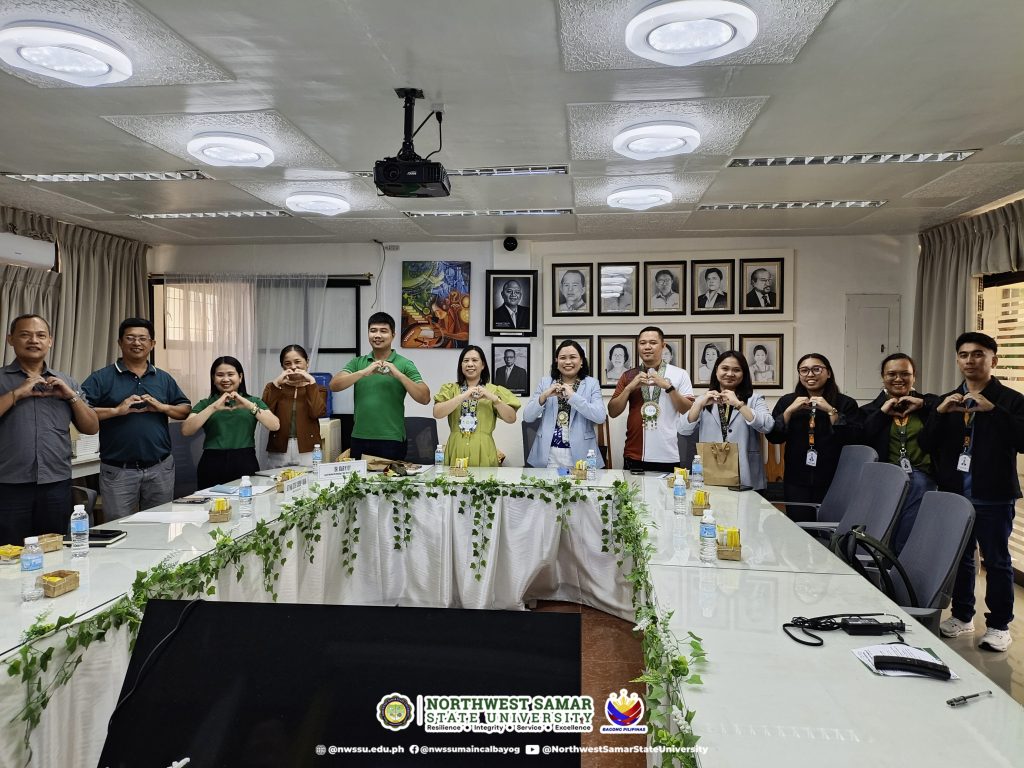
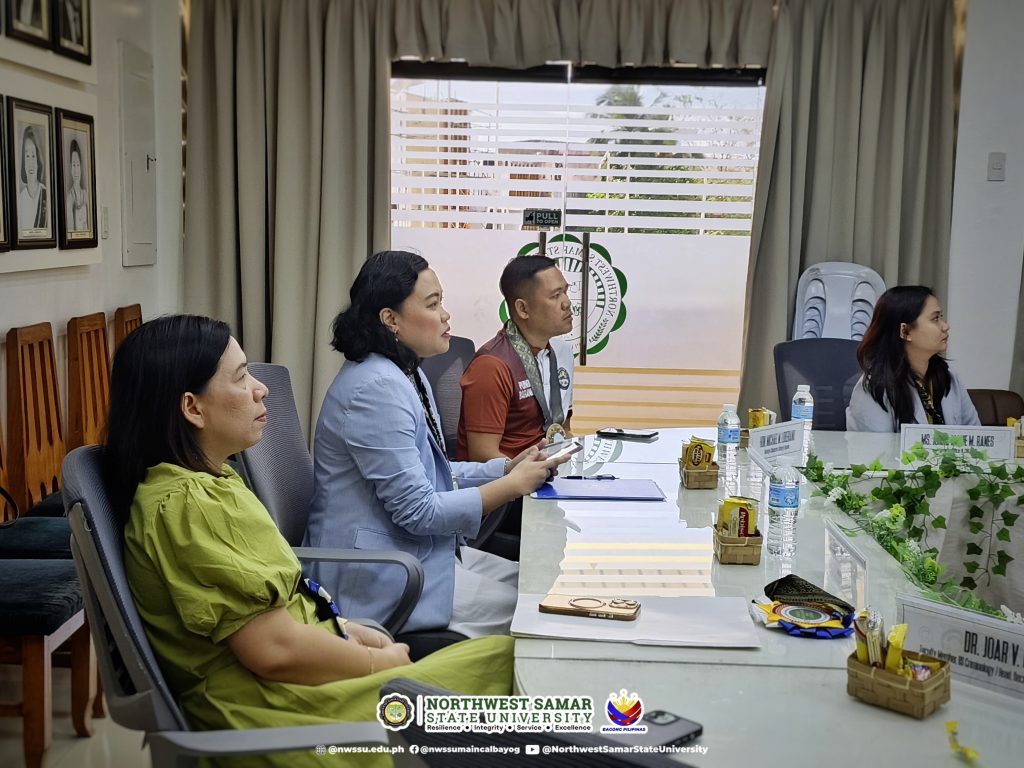
Northwest Samar State University (NwSSU) and the Commission on Human Rights (CHR) Region VIII formalized a renewed and strengthened partnership through a ceremonial Memorandum of Agreement (MOA) signing at the NwSSU President’s Board Room. Joining them was Barangay Oquendo, whose inclusion signals a shift from policy on paper to programs that reach real neighborhoods.
Two agreements anchor this partnership, and together they point toward tangible, everyday benefits for the university community and the barangay it calls home.
A Campus Where Rights Are Understood, Not Just Studied
The first MOA establishes the Center for Human Rights Education (CHRE), a joint undertaking between NwSSU and CHR Region VIII.
For students, this could mean human rights education woven more directly into campus life — through lectures, workshops, or activities that go beyond the classroom and help clarify what rights and responsibilities actually look like in practice. For faculty and staff, it opens the door to fresh resources and training that can enrich how human rights topics are taught and discussed across programs.
The ambition behind the CHRE is straightforward but powerful: a campus culture where every member — student, teacher, or staff — has a clearer grasp of their own rights, and just as importantly, a stronger sense of responsibility to respect the rights of others. In a university setting, that kind of awareness often ripples outward, shaping how graduates carry themselves as professionals and citizens long after they leave NwSSU’s halls.
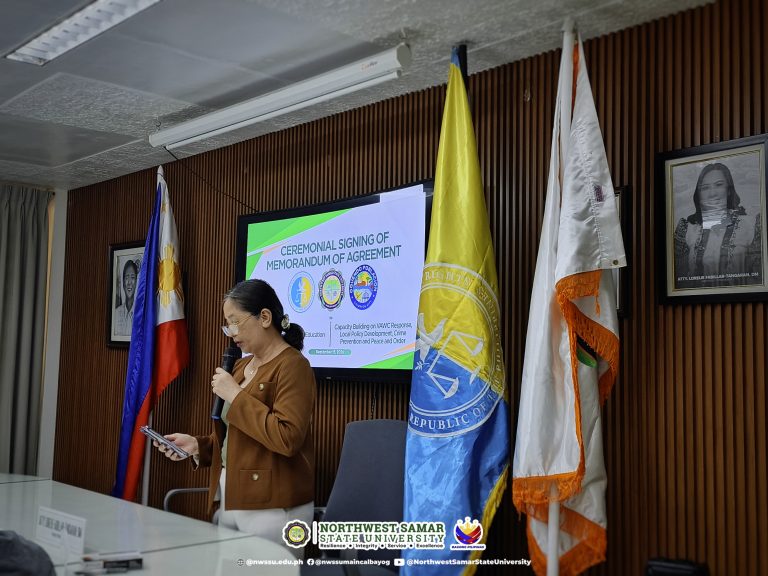
Building Safer, More Responsive Communities
The second MOA takes a more ground-level approach, focusing on capacity building for the response to Violence Against Women and their Children (VAWC), local policy development, crime prevention, and peace and order.
This is where Barangay Oquendo’s role becomes especially meaningful. Local leaders and stakeholders stand to gain sharper skills and knowledge for handling VAWC cases, strengthening barangay-level policies, and supporting broader peace and order efforts. For a community, this translates into something very concrete: barangay officials and frontline workers who are better equipped to respond when someone needs help, and a local government more capable of preventing problems before they escalate.
It also creates a natural bridge for NwSSU’s students and faculty — particularly those in social work, criminology, education, and related fields — to engage with real community issues, whether through extension programs, research, or future collaborative initiatives.
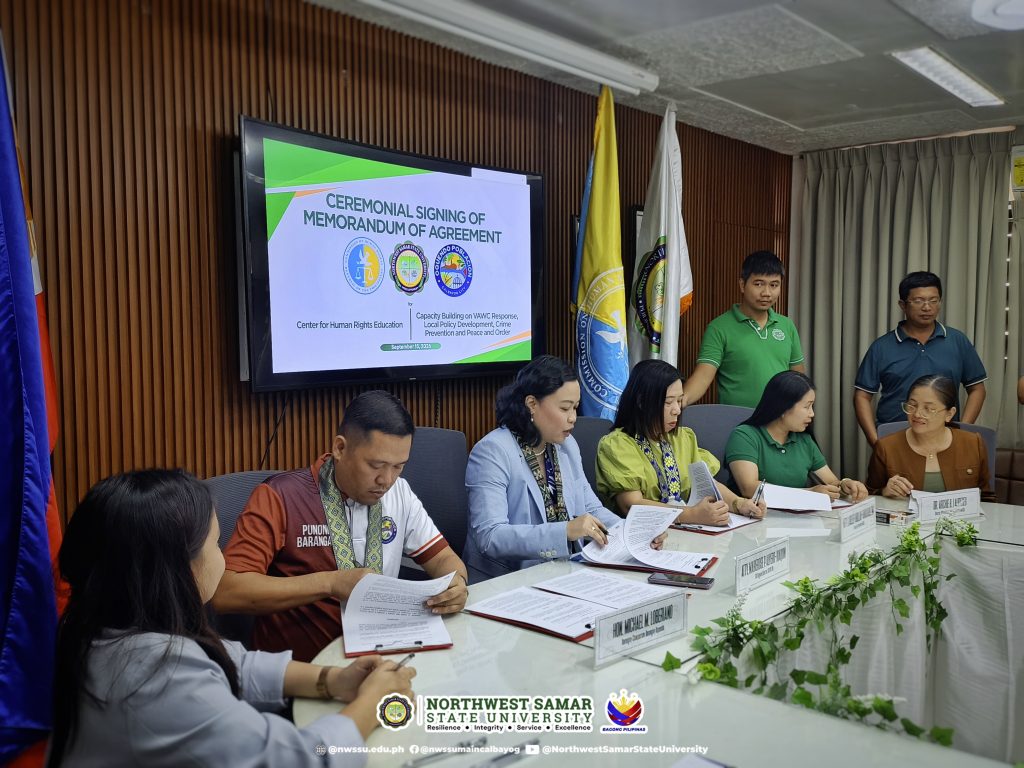
Voices Behind the Partnership
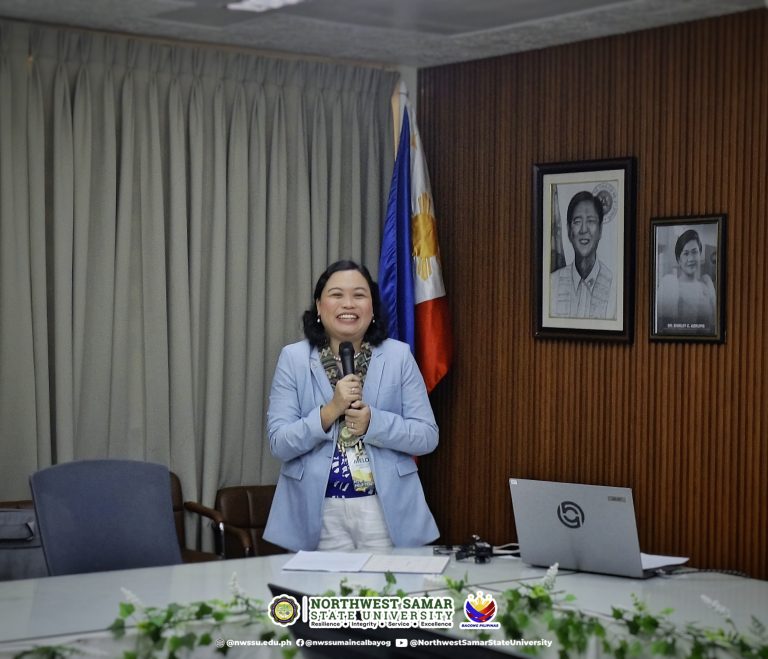
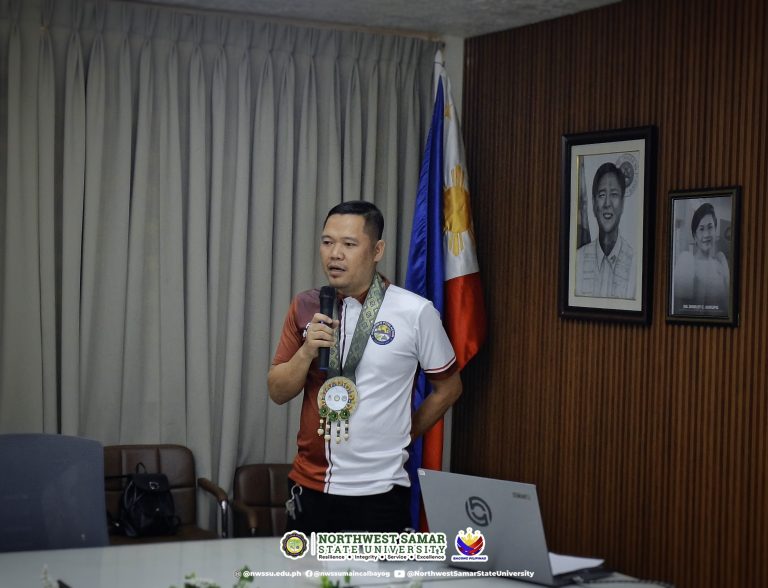
The signing ceremony brought together key figures from all three institutions: Atty. Marierose P. Alvero-Joaquin, OIC Regional Director of CHR Region VIII; Atty. Lorelie Fabillar-Tangaran, DM, University President of NwSSU; and Hon. Michael M. Loberiano, Barangay Chairperson of Oquendo, each of whom shared remarks underscoring the significance of the collaboration.
Their presence at the same table reflects something the MOA itself cannot fully capture on paper — a shared understanding that human rights work is most effective when the academe, government agencies, and local communities move in step with one another.
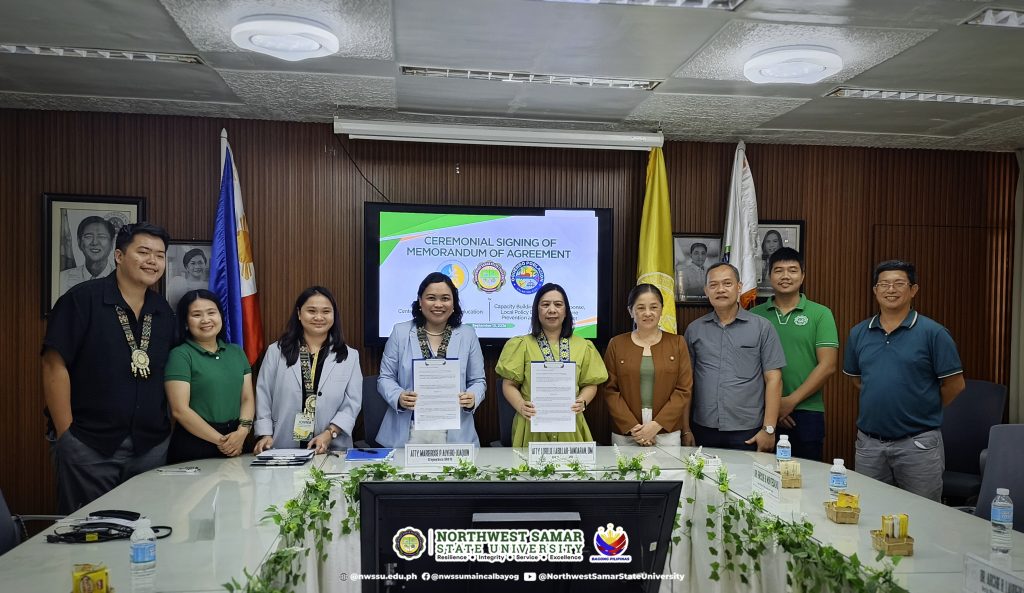
Turning Commitment Into Action
An MOA signing is, in many ways, just the beginning. What follows next — the workshops, trainings, and outreach activities expected to emerge from the CHRE and the VAWC capacity-building initiative — will be where students, faculty, and Barangay Oquendo residents start to feel the partnership’s impact firsthand.
For the NwSSU community, this collaboration represents an invitation: to learn more about their rights, to look out for one another, and to take an active part in shaping a safer, more rights-aware campus and barangay. As the partnership moves from agreement to action, the university looks forward to seeing how students, faculty, and community members alike will help bring this shared commitment to life.