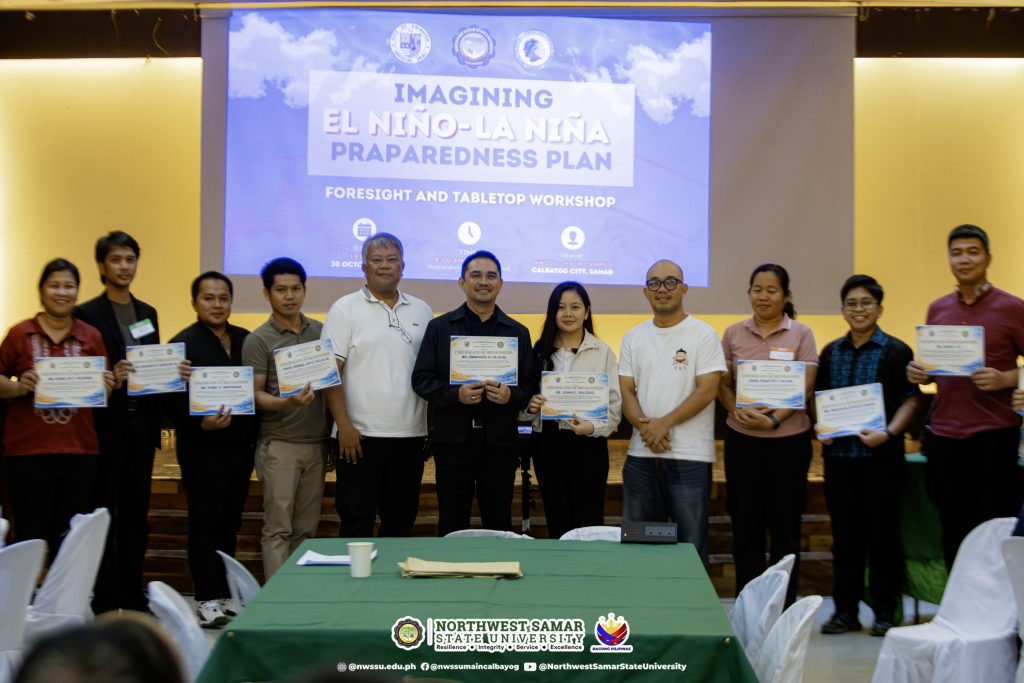
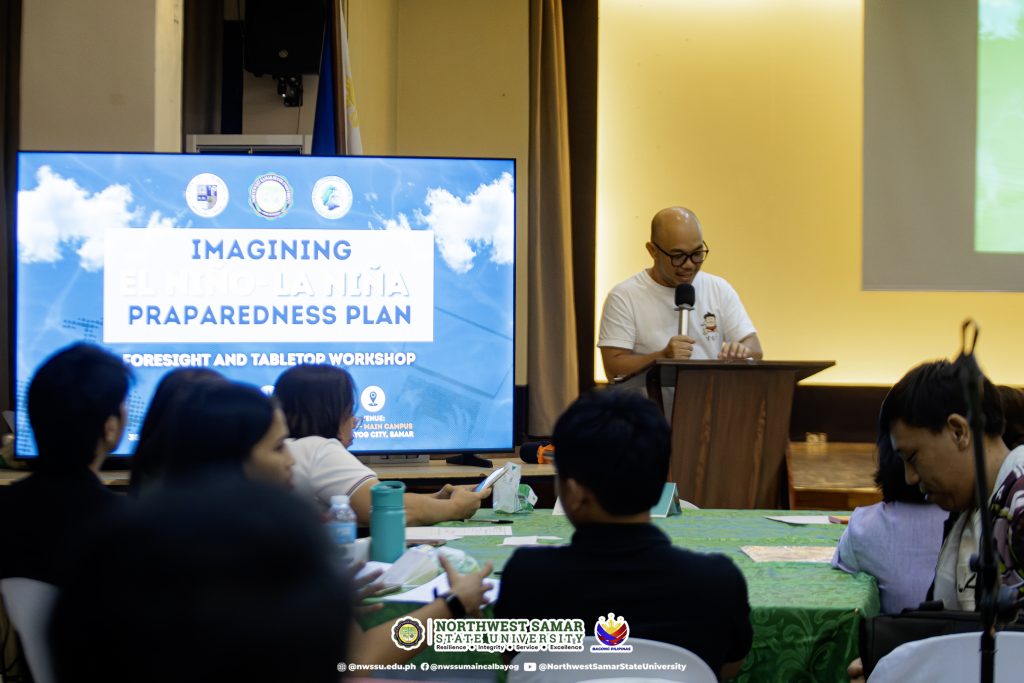
Northwest Samar State University (NwSSU) and the City Government of Calbayog conducted a foresight and tabletop workshop on El Niño–La Niña preparedness on Friday, Oct. 30, 2026, at the NwSSU Main Campus.
The workshop comes as Samar is among the provinces PAGASA has placed under drought, with the current very strong El Niño expected to linger into 2027 and a La Niña possibly following. All four states of calamity Calbayog has declared since 2022 were for floods, which organizers said makes the shift from too little water to too much the city’s biggest blind spot.
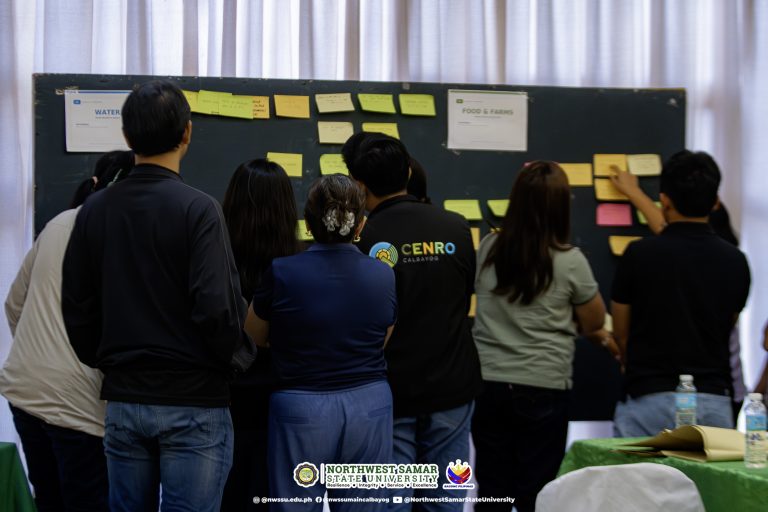
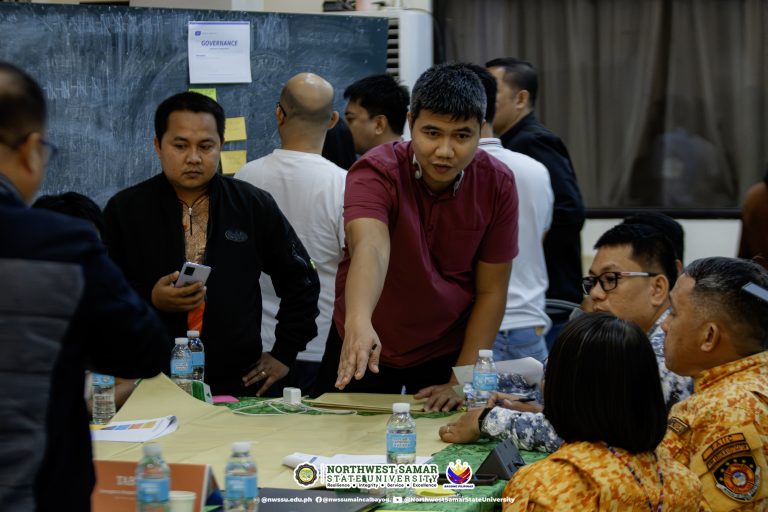
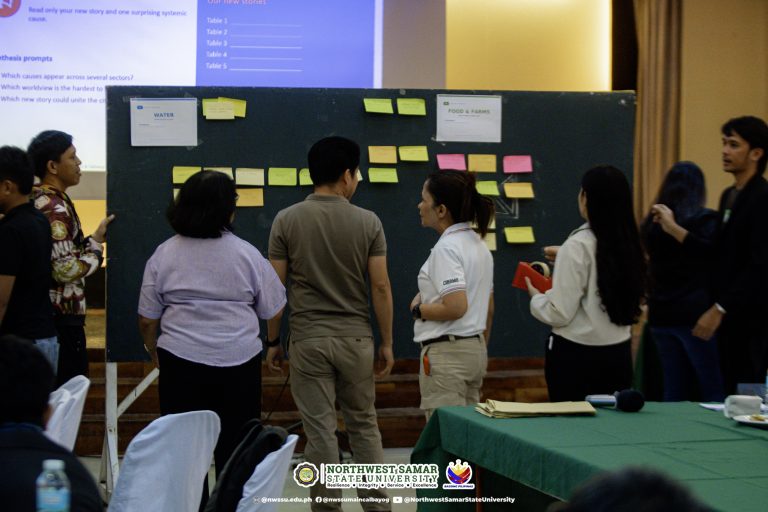
Participants from multisectoral agencies and civil society worked in five sector tables, each guided by NwSSU facilitators. The tables covered water; food and agriculture; health, education and social welfare; emergency response and public safety; and governance, budget and coordination.
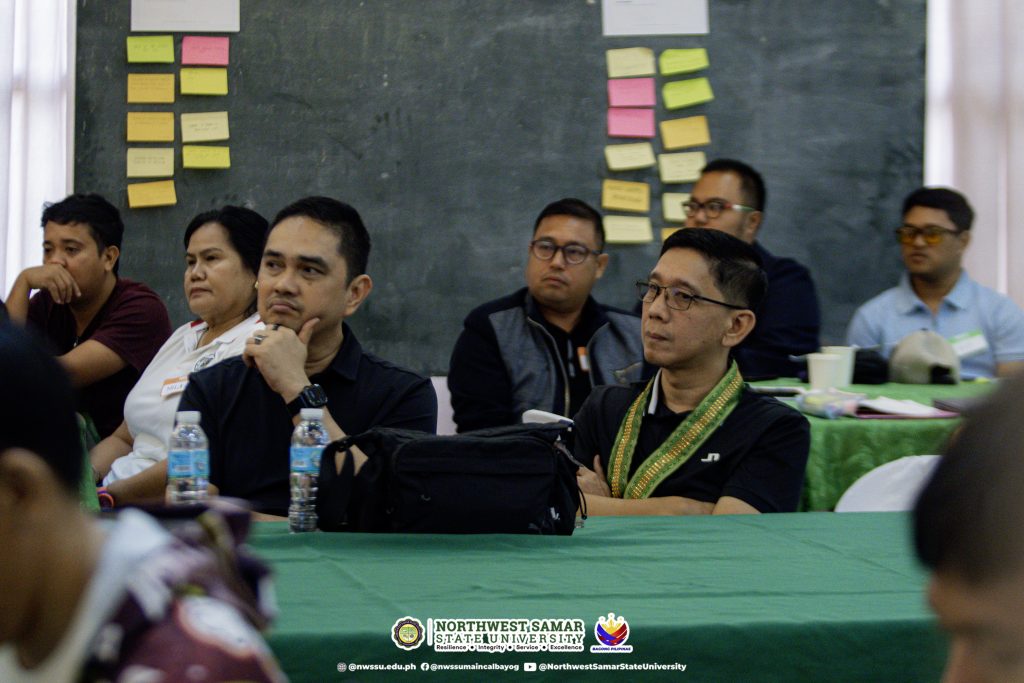
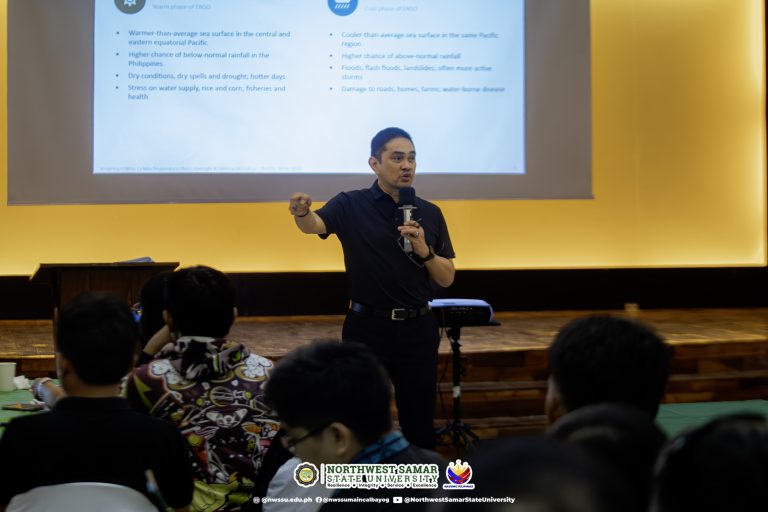
The day began with a “Worry Wall,” where participants posted their biggest concerns about too little and too much water. Emmanuel R. de Guia, resident futurist and consultant of the Senate Committee on SDGs, Innovation, and Futures Thinking, then gave a situation briefing on the El Niño outlook, from the global picture down to Calbayog.
Participants were then guided through a Causal Layered Analysis to examine the deeper causes behind their concerns, followed by a session on four possible futures of Calbayog in 2036, which they presented through an “a day in the life in 2036” role-plays. In a backcasting session, the tables worked backward from a preferred 2036 vision to concrete first moves the city can take during the current El Niño.
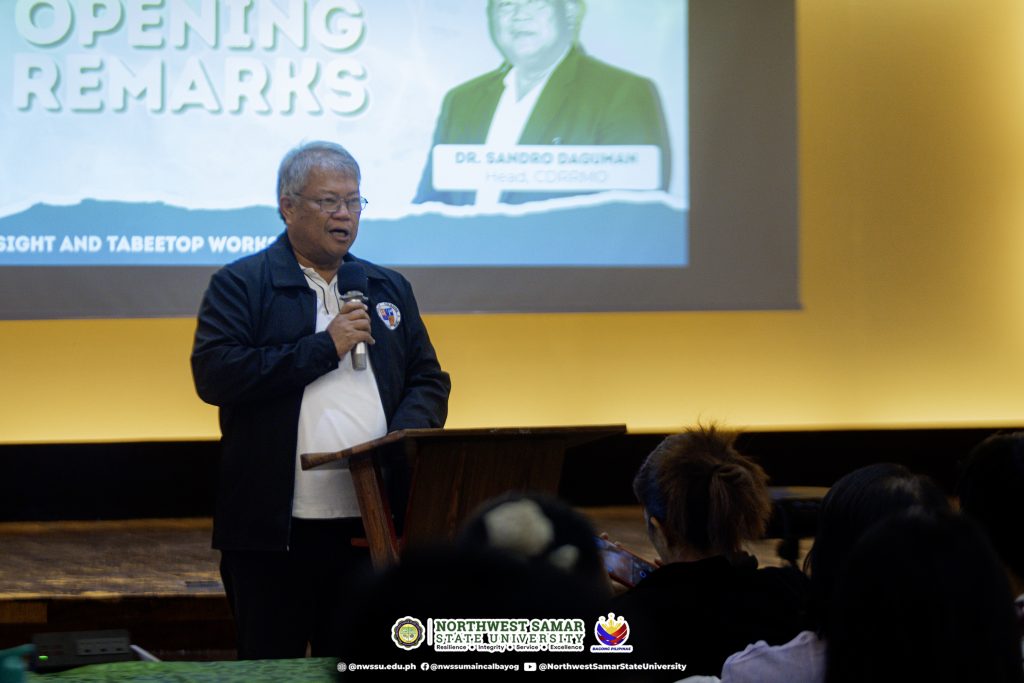
The highlight was the Pivot Drill, a tabletop exercise that tested the tables’ plans against fictional but realistic developments: drought at its peak, the regular dry season stacked on El Niño, and a sudden turn to La Niña flash floods and landslides. Dr. Sandro Daguman, head of the City Disaster Risk Reduction and Management Office (CDRRMO), played the council chair who approved or held requests for water, personnel and funds, testing the workshop’s guiding rule: “No owner, no commitment.”
Lastly, each table pledged three commitments with a named lead office, deadline, and trigger. In the session, each participants signed personal 30-day commitment cards.
Dr. Daguman said the next steps are to consolidate the outputs into a draft El Niño–La Niña Preparedness Plan, integrate its actions into the city’s existing plans and budgets, monitor PAGASA signals, and bring the approach to barangays and schools.
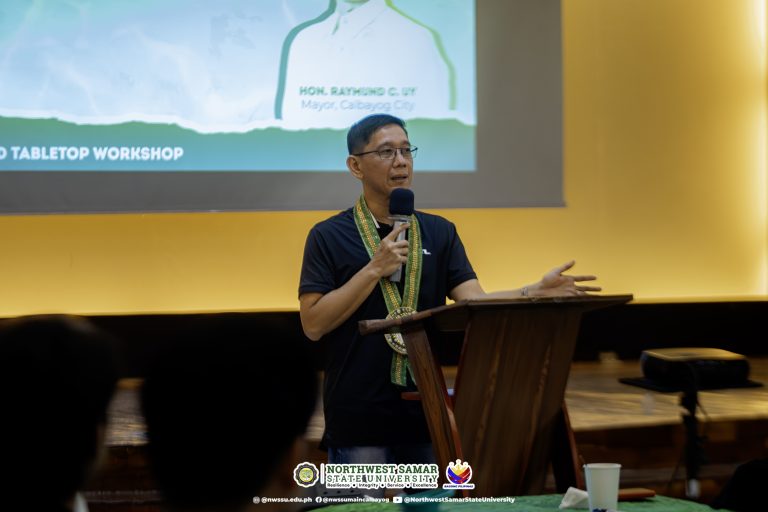
In his closing message, City Councilor Marc Celino “Jormac” B. Tan thanked the facilitators and participants and said the commitments made at the tables are only the beginning. “We can do this together,” he said, adding that by acting early, working across offices and barangays, and holding one another to their promises, Calbayog can face both the drought and the floods ahead with confidence.