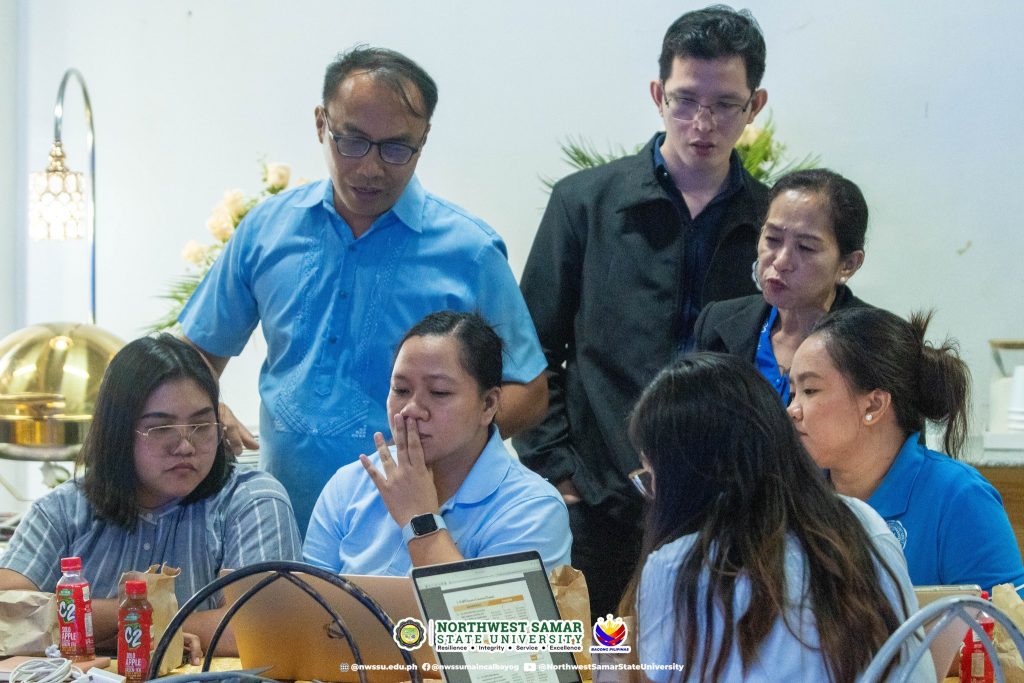
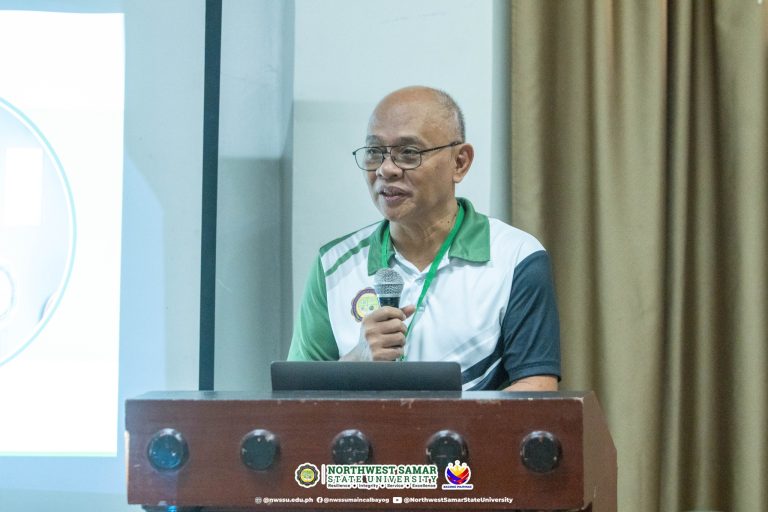
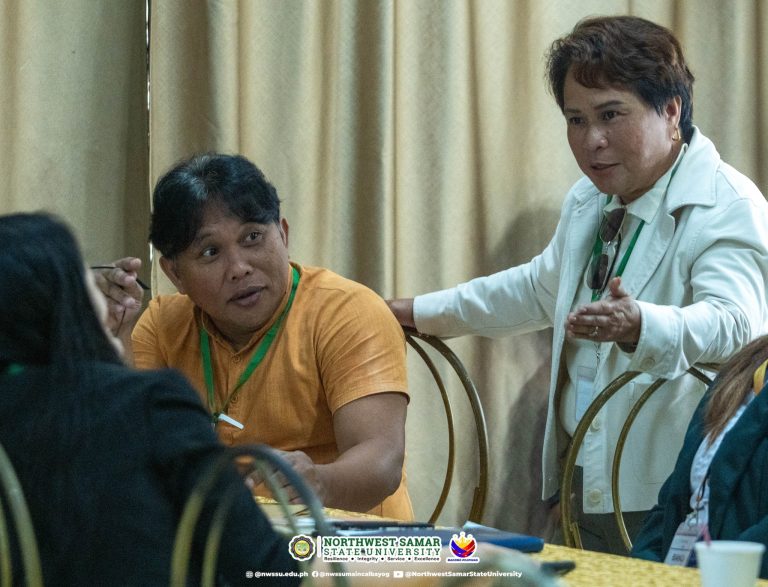
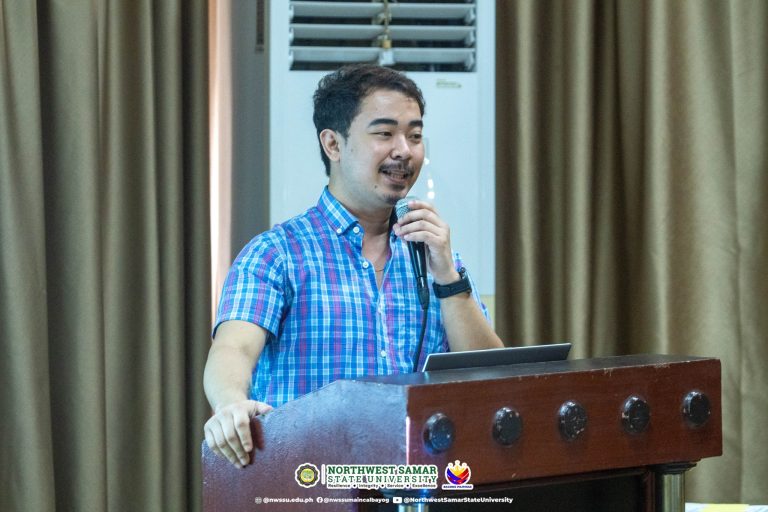
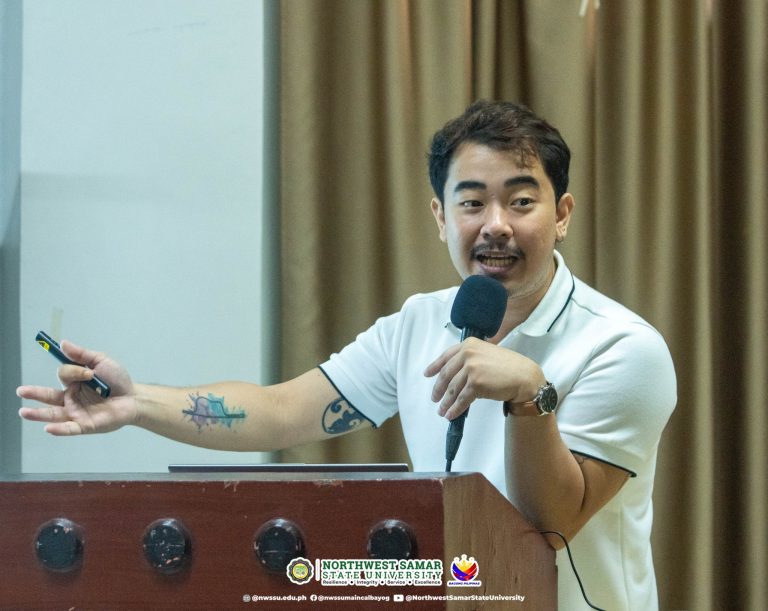
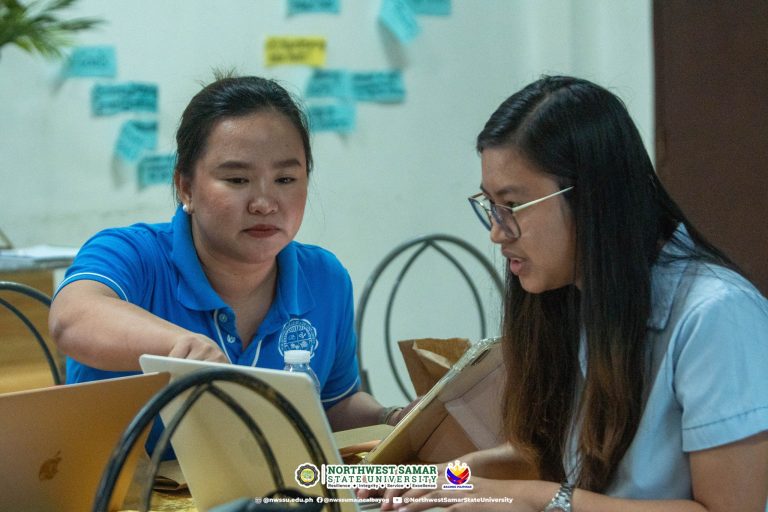
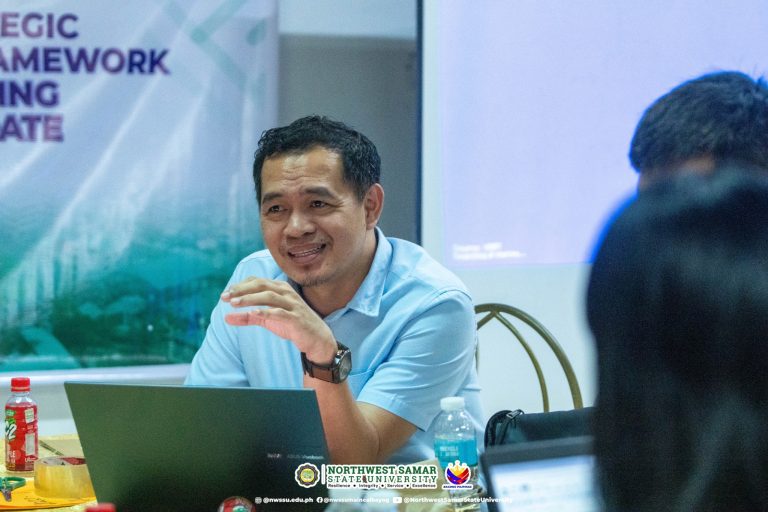
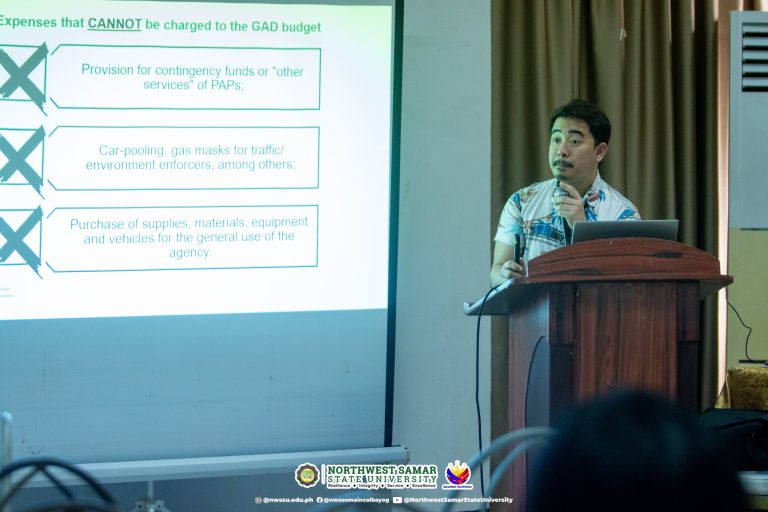
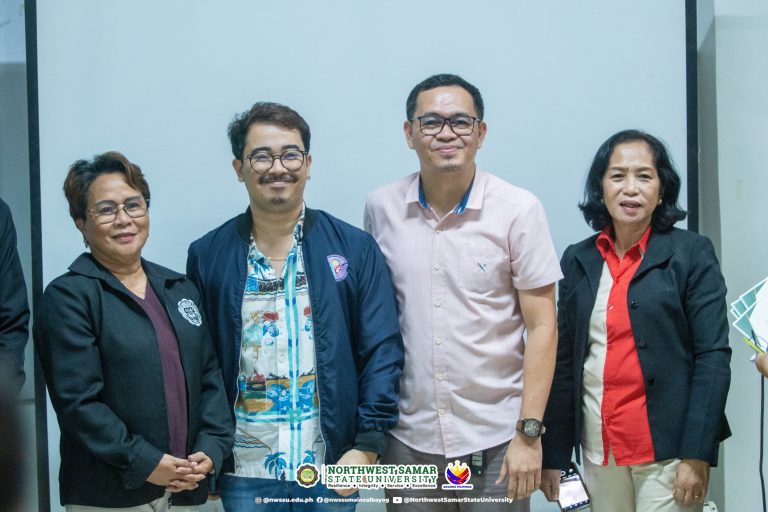
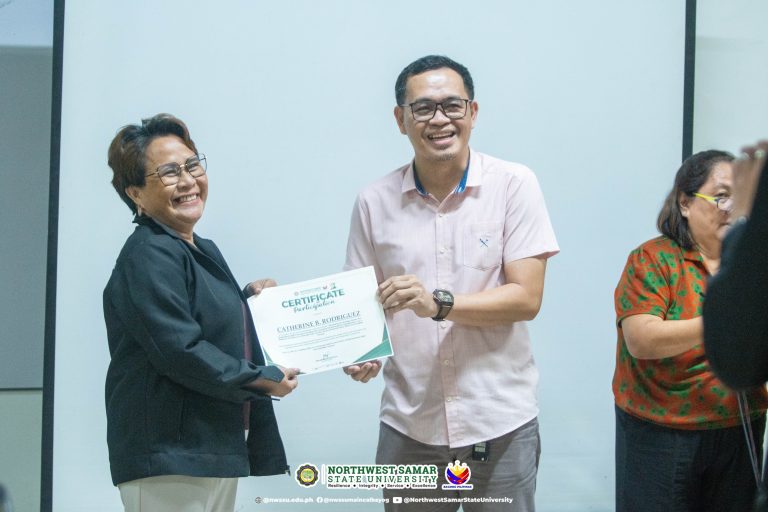
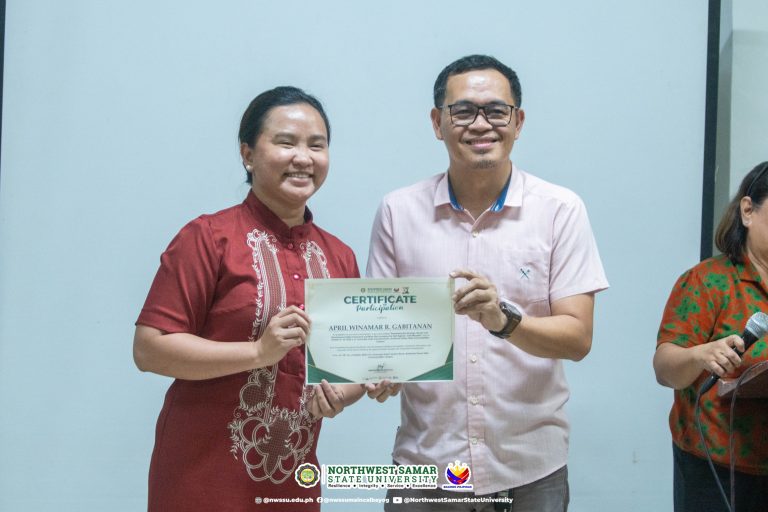
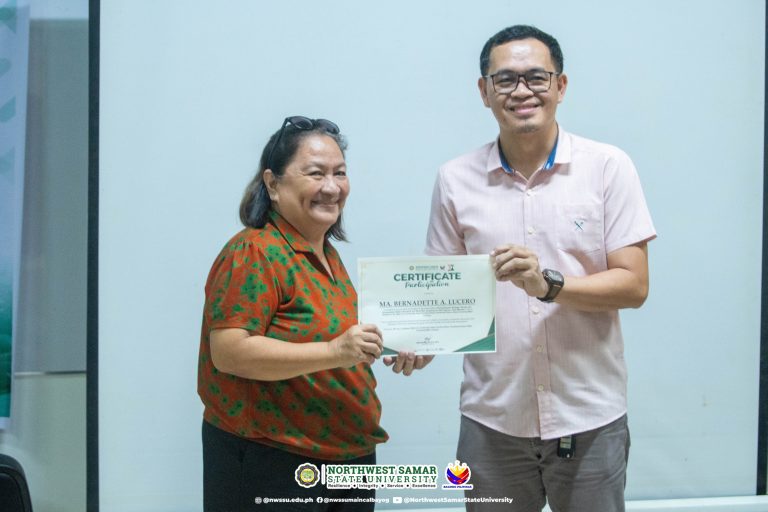
Northwest Samar State University (NwSSU), through its Office of Gender and Development (GAD), conducted a three-day workshop titled “Development of the Strategic Gender and Development Framework and Work Plan” on October 7–10, 2025, at the University Hotel and Restaurant Function Room. The activity marked a significant step in the university’s continuing effort to institutionalize inclusivity and strengthen its GAD mechanisms in alignment with national mandates and international commitments.
The event was designed to capacitate key personnel in developing the 2026–2031 NwSSU GAD Strategic Framework and Agenda, in accordance with the provisions of Republic Act 7192 (Women in Development and Nation Building Act) and Republic Act 9710 (The Magna Carta of Women). These laws require all government agencies, including higher education institutions, to undergo gender sensitivity and mainstreaming initiatives to ensure inclusive, equitable, and gender-responsive governance.
Day 1 laid the foundation for understanding the principles and frameworks guiding gender mainstreaming. Sessions covered Gender Analysis, Mainstreaming, and Planning Principles, emphasizing the Gender Equality and Women’s Empowerment (GEWE) Frameworks and the Harmonized Gender and Development Guidelines (HGDG). Participants engaged in interactive discussions and structured learning exercises that enhanced their appreciation of gender-responsive policies, institutional planning, and budget alignment.
Day 2 delved deeper into policy integration and institutionalization, with participants working on the formulation of NwSSU’s GAD Agenda. The sessions focused on embedding gender perspectives into the university’s programs, projects, and activities—ensuring that the outcomes contribute meaningfully to inclusivity and empowerment across academic, research, and community engagement dimensions.
On Day 3, the focus shifted toward the finalization and validation of the university’s 2026–2031 GAD Strategic Framework and Agenda. Learning Session 7 introduced the key components of the GAD Agenda, followed by a plenary session on the development process for the new framework. In Workshop 2, participants collaborated to outline strategic priorities and measurable outcomes, which were later presented and critiqued during the plenary session. The workshop concluded with closing remarks from Dr. Riz Rupert L. Ortiz, Vice President for Research, Innovation, and Extension, who underscored the importance of sustaining gender mainstreaming efforts through shared responsibility and institutional commitment.