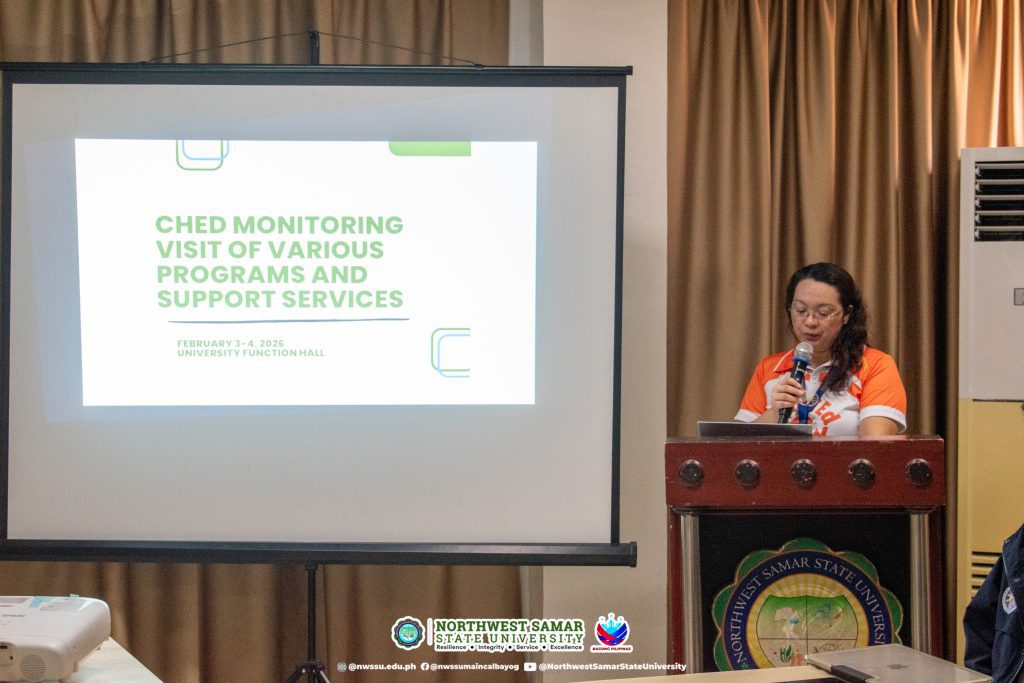
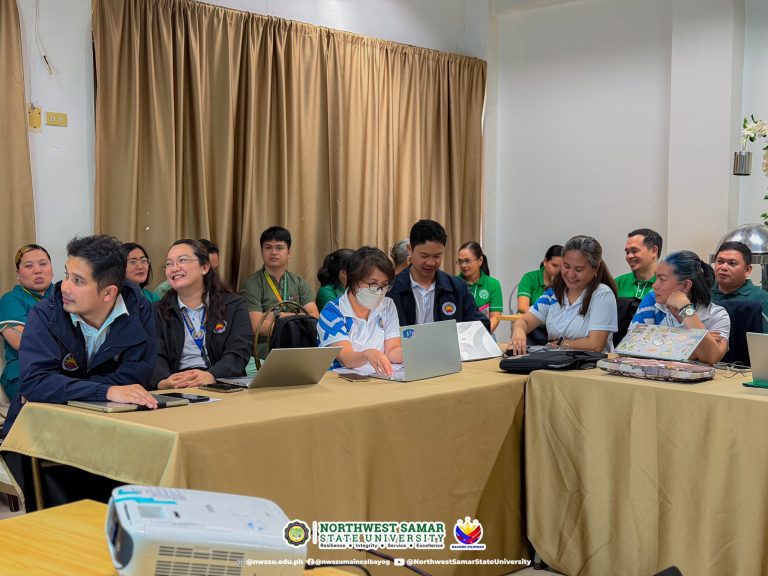
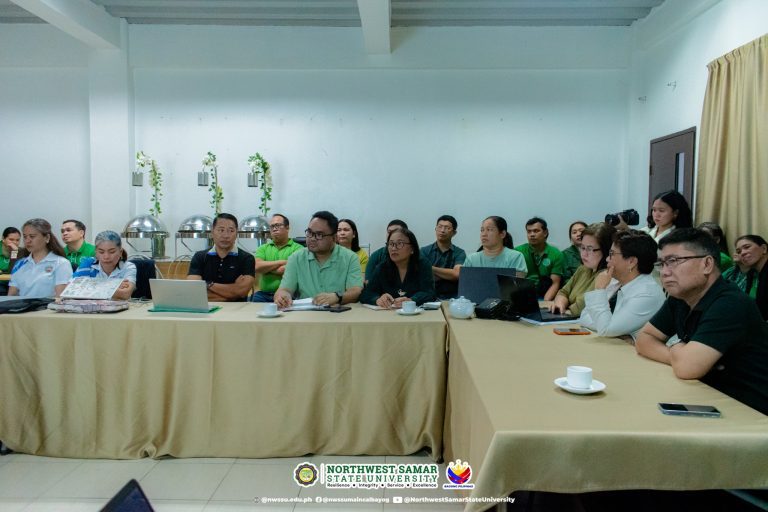
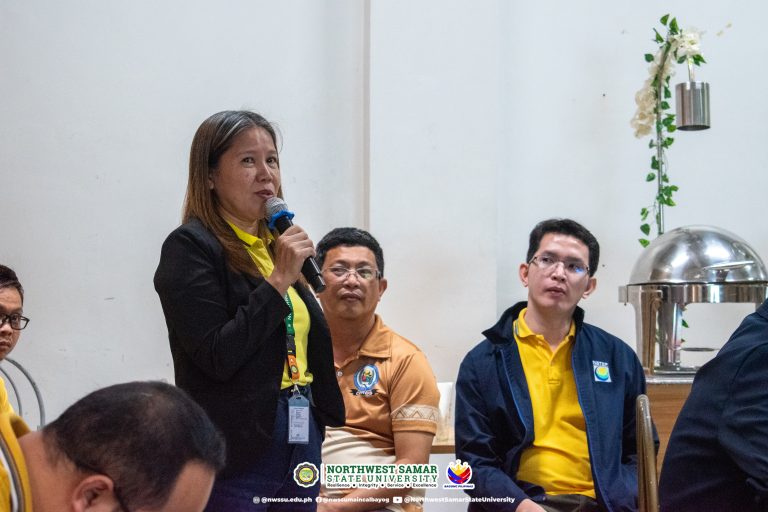
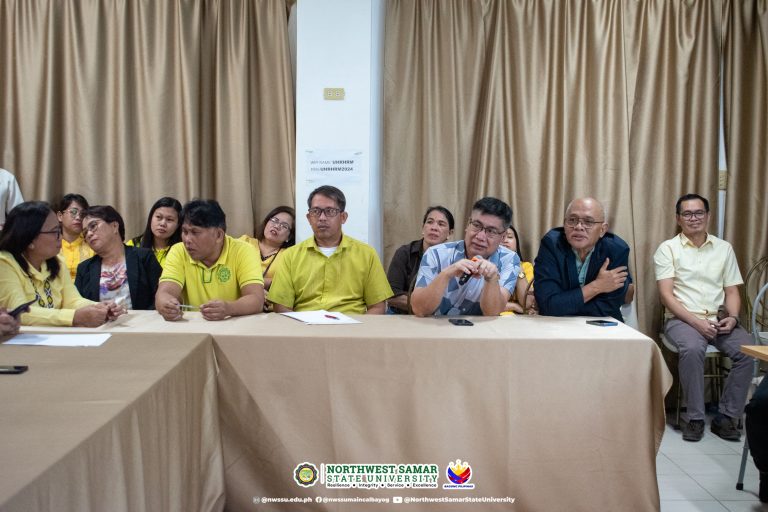
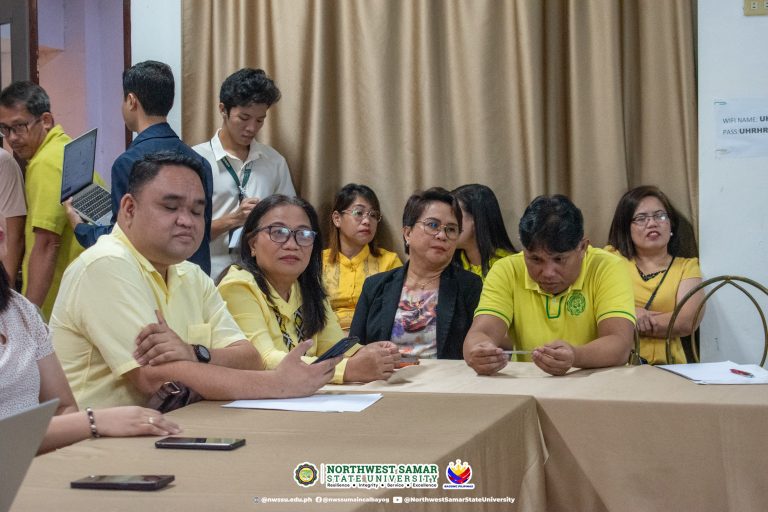
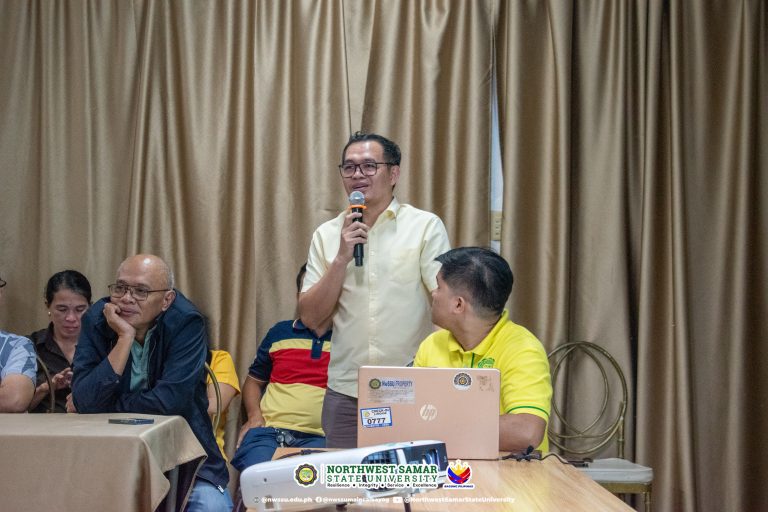
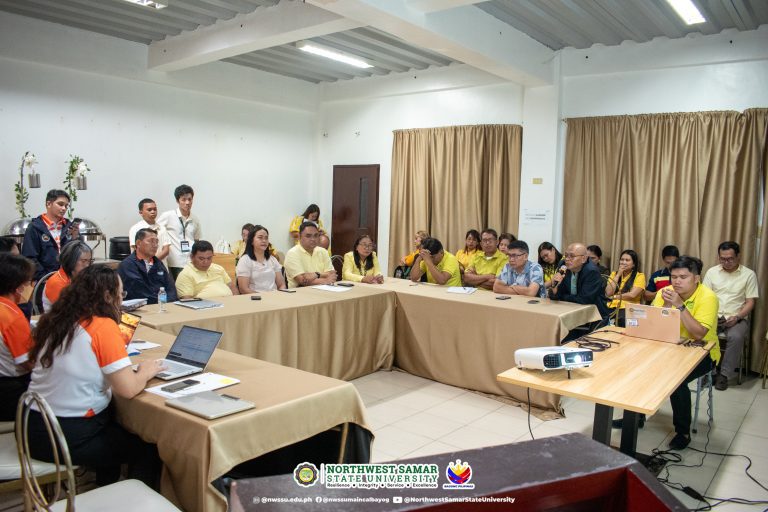
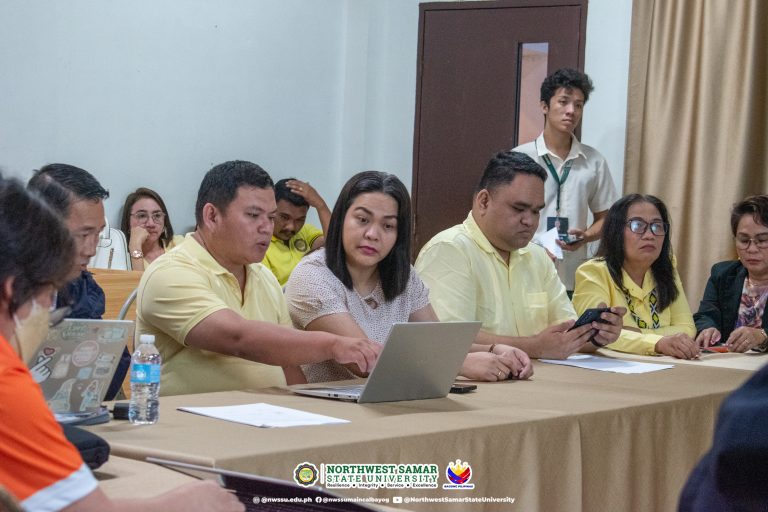
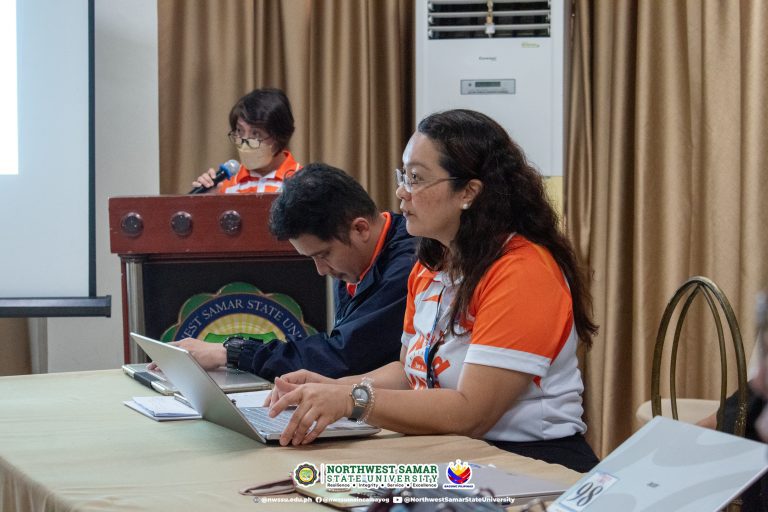
The Commission on Higher Education (CHED) concluded its two-day monitoring visit of various programs and support services of Northwest Samar State University (NwSSU) on February 4, 2026, at the University Function Hall. The activity brought together university key officials, college deans, teaching staff, and the CHED monitoring team to assess critical areas of institutional operations.
Day 1 of the visit focused on the evaluation of compliance standards, where the CHED monitoring team conducted thorough reviews of relevant documentation, engaged in in-depth discussions with department heads, and verified the implementation of policies against established guidelines. The team examined records including curriculum alignment and faculty qualifications to ensure adherence to higher education regulations.
On the same note, Day 2 continued the evaluation process and proceeded to the presentation of findings with the monitoring team, headed by Dr. Catherine O. Iglesias, Commission on Higher Education Regional Office (CHEDRO) VIII Supervising Education Program Specialist. The presentation covered assessments of institutional profile, tuition and other school fees, gender and development initiatives, student affairs and services, research and extension programs, and program offerings. Critical observations highlighted strengths in community engagement projects and areas for improvement in student support services.
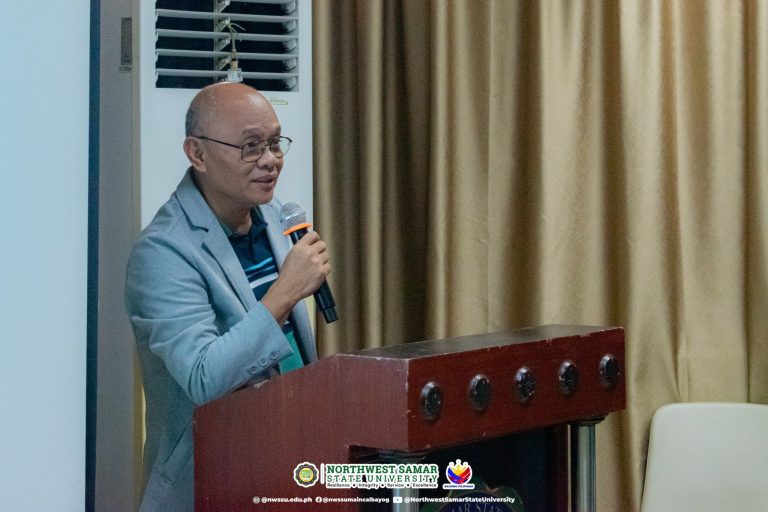
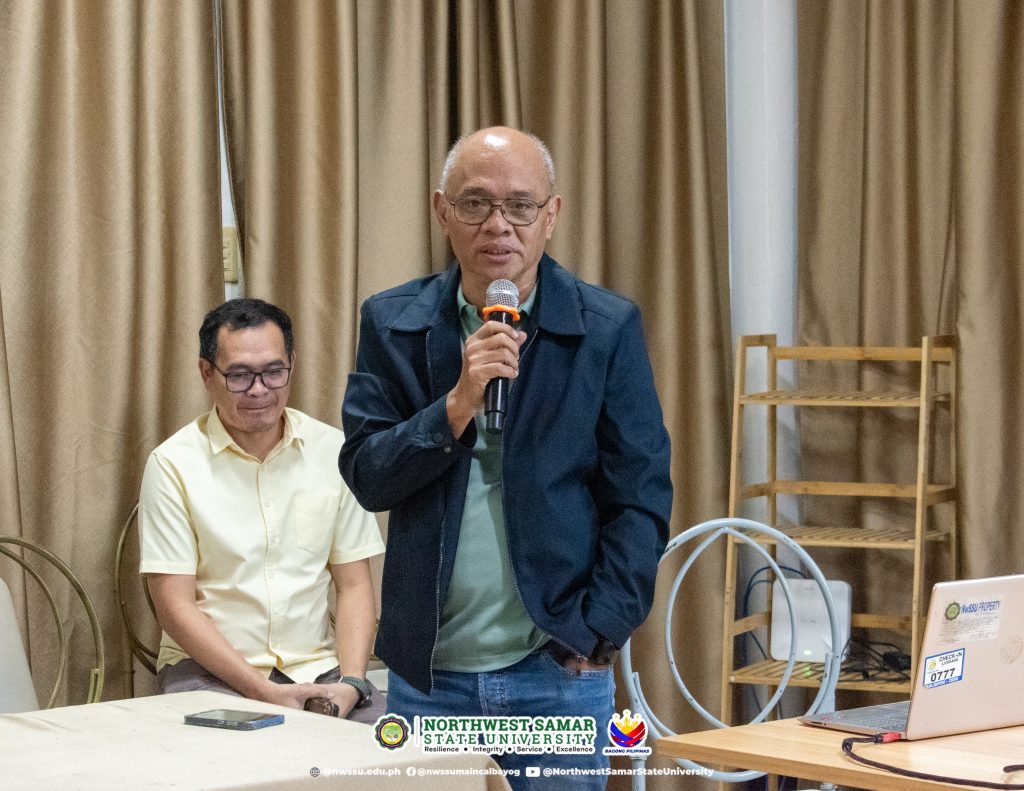
After the monitoring, university officials and the CHED monitoring team convened for an exit conference to discuss next steps and action plans. Dr. Benjamin L. Pecayo, University President, delivered his message of commitment, emphasizing the institution’s dedication to addressing identified gaps and maintaining integrity and excellence. He also expressed gratitude for the constructive feedback provided by the CHED monitoring team.
The initiative concluded with a closing message from Dr. Pecayo, who emphasized the importance of such monitoring activities in driving continuous improvement across all university-wide operations. The visit served as a crucial benchmarking tool designed to align the university’s development trajectory with national quality standards, ensuring that every development initiative contributes to enhancing the overall learning experience and preparing students for meaningful careers.