Menu
image-viewer

4.2 Proportion of graduates with teaching qualification

4.2.1 – Proportion of graduates with relevant qualification for teaching

* Number of graduates
* Number of graduates who
gained a qualification that
entitled them to teach at
primary school level

– PRC LET Result for March 2025

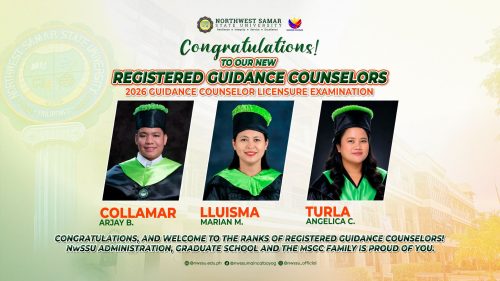
The BEEd program demonstrated competitive performance among first-time LET takers, with 50% successfully passing the examination. This passing rate slightly surpassed the national passing percentage of 49.79%, indicating that the program’s recent graduates were prepared at a level comparable to the national standard. While there is room for improvement, this result highlights the program’s capacity to produce graduates who can pass the licensure examination on their first attempt.

4.3 Lifelong learning measures

4.3.1 – Public resources (lifelong learning)

– Public Resources

NwSSU has public spaces, such as the field, track, and play areas, including the basketball and volleyball courts. These spaces are free for use by the entire community, provided that users behave appropriately and observe proper decorum within the University premises. The University promotes the inclusive use of these properties, ensuring that all members of the community can access and enjoy them regardless of background, status, or affiliation.

4.3.2 – Public events (lifelong learning)

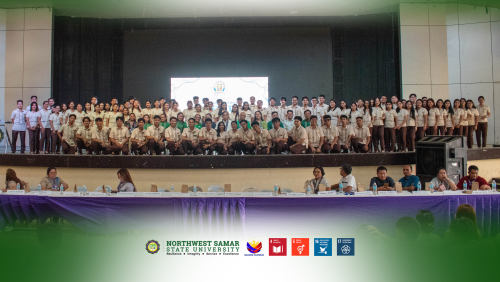
– Strengthening System for Capacity Building of Child Development Workers

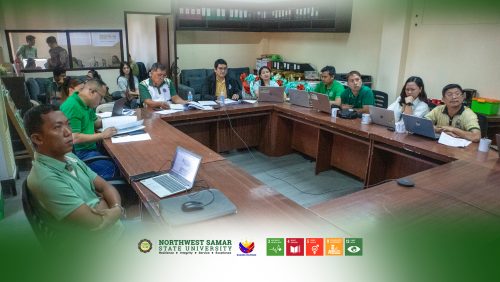
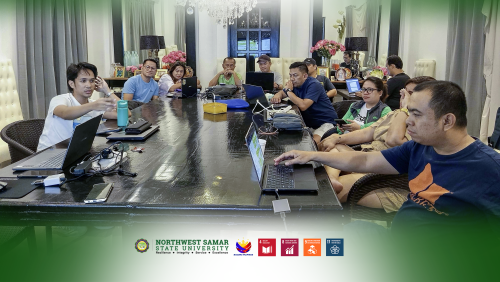
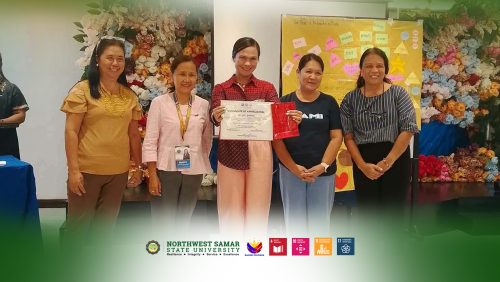
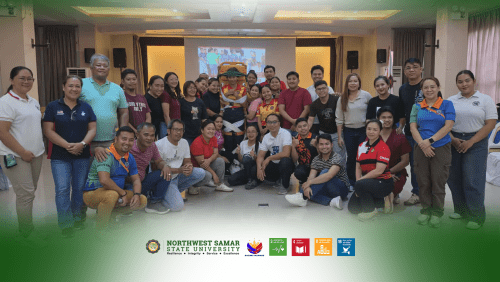
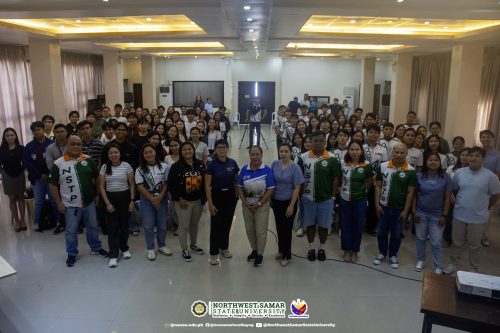
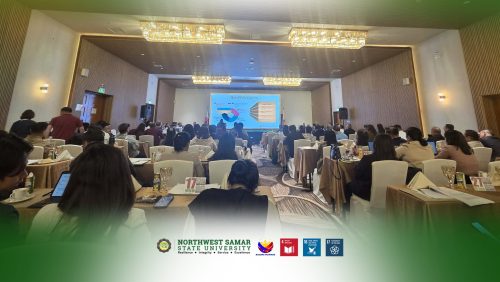
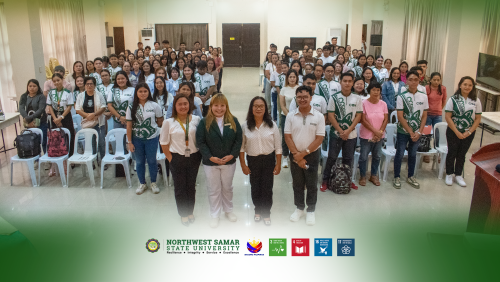
This is an extension activity of the College of Education, implemented in partnership with UNICEF and the UP Center for Women’s Studies Foundation, Inc. It provides free training designed to capacitate child development workers and child development teachers in delivering quality, inclusive, and developmentally appropriate early childhood education services. This activity promotes lifelong learning because it provides continuous professional development for practicing child development workers and teachers. Rather than ending their learning after formal schooling, participants update and strengthen their knowledge, skills, and competencies to respond to the changing needs of young children, families, and communities.

4.3.3 – Vocational training events (lifelong
learning)

– NwSSU website: NwSSU – TESDA PTC – Samar Skills Training and Employment Partner

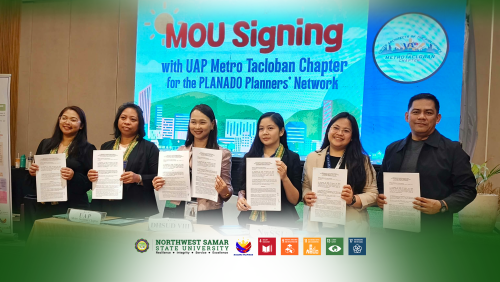
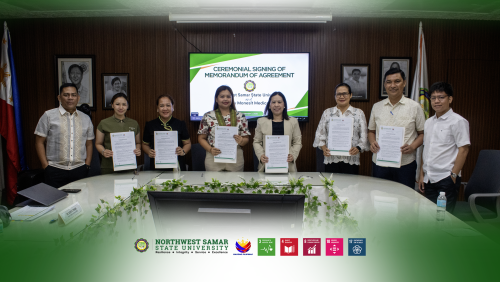
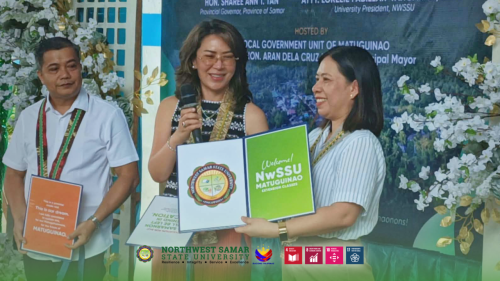
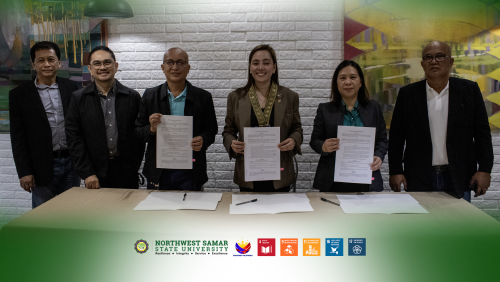
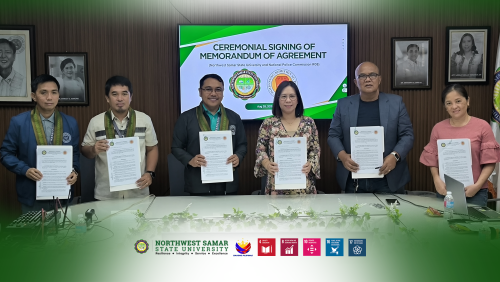
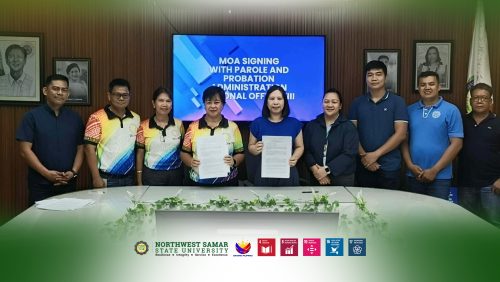
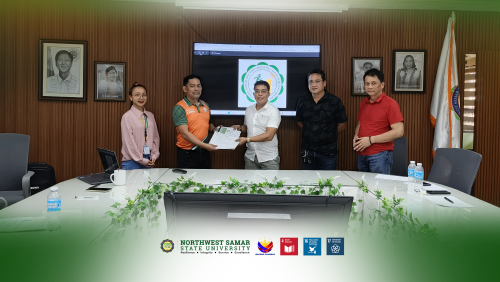
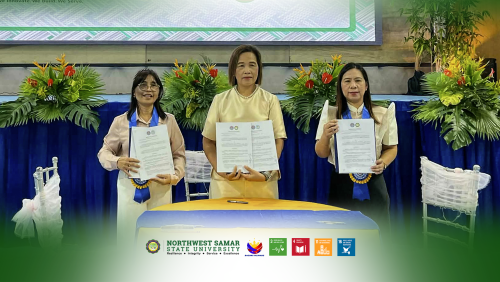
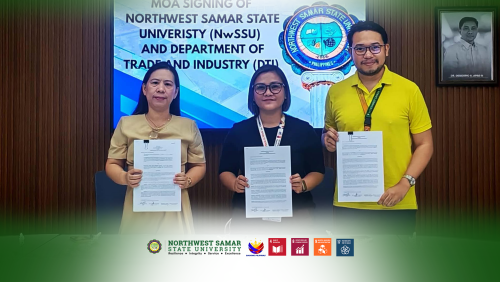
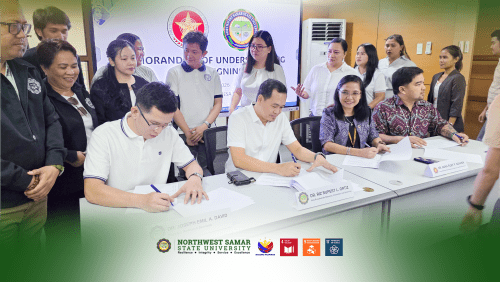
Five-year agreement with the TESDA Provincial Training Center–Samar to widen access to skills training and jobs for students and communities.

4.3.4 – Education outreach activities beyond campus

– Laro ng Kalikasan

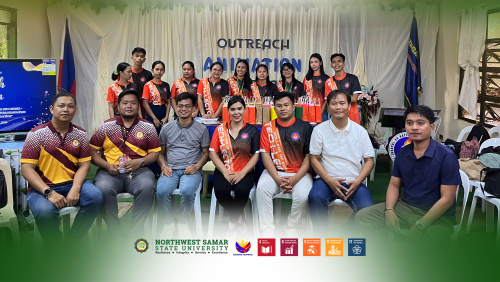
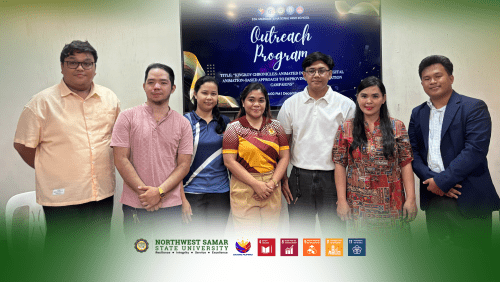
The College of Education encourages its various student organizations and faculty members to conduct outreach activities. For instance, the BSEd Values Education and BSEd English student organizations shared their talents and resources with junior high school students by providing school supplies and nutritious food. Likewise, the Physical Education faculty members led an outreach activity entitled Laro ng Kalikasan, during which they taught their beneficiaries traditional Filipino games (laro ng lahi).

4.3.5 – Lifelong learning access policy

– Lifelong learning access policy

NwSSU has a lifelong learning policy stated in Article X of the Student Handbook. It provides that all NwSSU students shall be entitled to the rights set forth therein, without distinction as to sex, social status, religion, political antecedents, or other factors. This policy reflects the University’s commitment to equitable access to education and to supporting students as lifelong learners.

– 2025 – Terminal Report Tara Basa

Tara, Basa! 2025 is the Department of Social Welfare and Development’s (DSWD) tutoring and family-support program that helps incoming Grade 2 learners who struggle with reading while providing cash-for-work opportunities to low-income college students. In 2025, it reached about 128,568 learners, parents, tutors, and youth development workers nationwide

4.4 Proportion of first-generation students

4.4.1 – Proportion of first-generation students

* Number of students
starting a degree
* Number of first
generation students
starting a degree

– First Generation College Students

NwSSU has 607 first-generation college students, reflecting the university’s growing role in expanding access to higher education. These students are the first in their families to pursue a college degree, making their educational journey especially significant for both them and their families. Their presence at NwSSU highlights the institution’s commitment to inclusivity and to providing opportunities for learners from diverse backgrounds. Supporting first-generation students can help strengthen their academic success, confidence, and prospects for future employment and community leadership.

Related Articles

Client's Feedback